
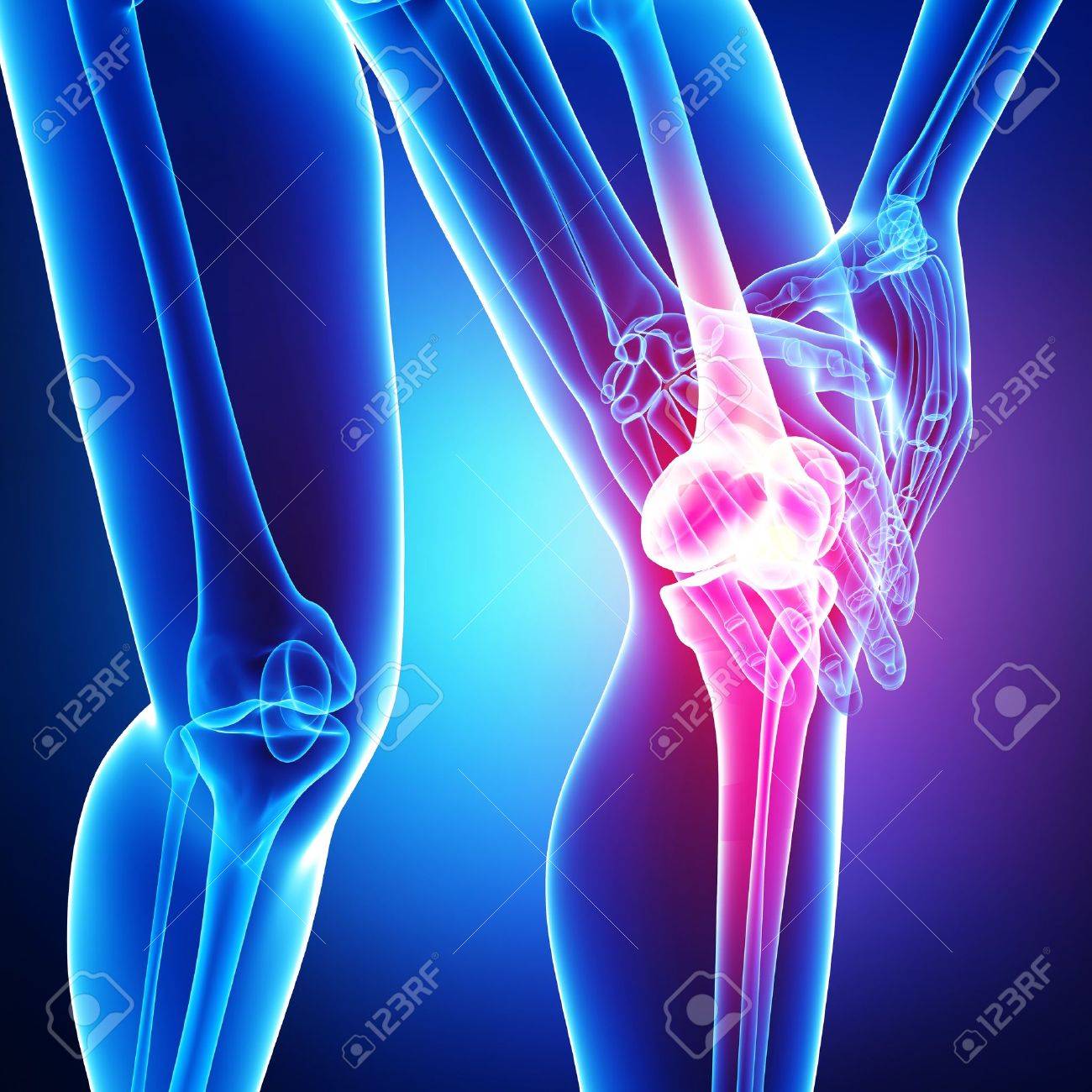
Food and Joint Health: More Connected Than You Think
Most conversations about knee pain and joint health focus on surgery, physiotherapy, and medications. All important — but what you eat, day after day, has a genuine impact on how your joints feel and function. This is something we see clearly in our patients at COJRI across Chandigarh, Mohali, and Panchkula.
Chronic inflammation is one of the biggest drivers of joint pain, particularly in conditions like osteoarthritis and rheumatoid arthritis. While no diet can cure arthritis, the right nutrients can help dial down inflammation, support cartilage health, and make daily movement noticeably more comfortable. Think of good nutrition not as a cure but as one of the most consistent tools you have access to every single day.
What Is Inflammation Doing to Your Joints?
Inflammation is your body’s natural defence response — useful in the short term when healing from an injury, but damaging when it becomes chronic. In joints, persistent inflammation breaks down cartilage, causes swelling, and leads to the aching stiffness that makes climbing stairs or getting up from a chair such an effort. Certain nutrients work directly against this process, either by blocking inflammatory pathways, reducing oxidative stress, or providing the raw materials the body needs to maintain joint tissue.
Top Anti-inflammatory Nutrients for Healthy Joints
1. Omega-3 Fatty Acids
Omega-3s are probably the most well-researched anti-inflammatory nutrients there are. They directly suppress the production of inflammatory compounds in the body, making them particularly valuable for people with arthritis or those recovering from joint replacement surgery in Chandigarh or Mohali.
Best sources: Fatty fish like salmon, sardines, and mackerel. For vegetarians, flaxseeds, chia seeds, and walnuts are excellent plant-based options. Mustard oil — commonly used in Punjabi cooking — also contains some omega-3s.
2. Curcumin (from Turmeric)
You have probably been told about the benefits of haldi your whole life — and it turns out there is real science behind it. Curcumin, the active compound in turmeric, has powerful anti-inflammatory properties. Some studies suggest it is as effective as certain anti-inflammatory medications for joint pain relief, without the side effects.
To make the most of turmeric, pair it with a small amount of black pepper. Piperine in black pepper dramatically increases curcumin absorption. A glass of warm haldi doodh at night is genuinely useful — not just a home remedy.
3. Vitamin D
A significant proportion of people in North India are deficient in Vitamin D — and joint health is one of the areas where this shows up most clearly. Vitamin D is essential for calcium absorption, which your bones and cartilage need. Low Vitamin D levels are linked to increased joint pain and faster progression of arthritis.
Best sources: Sunlight remains the most natural source. In Chandigarh, a 15–20 minute walk in the morning sun provides meaningful Vitamin D production. Foods like egg yolks, fortified milk, and fatty fish also contribute.
4. Vitamin C
Vitamin C is essential for the production of collagen — the protein that forms the structural framework of your joints and cartilage. Without enough Vitamin C, cartilage cannot repair itself effectively, and the wear on your joints accelerates.
Best sources: Amla (Indian gooseberry) is one of the richest natural sources of Vitamin C available — far more than an orange. Guava, bell peppers, citrus fruits, and tomatoes are also excellent options that fit naturally into everyday Punjabi meals.
5. Magnesium
Magnesium does not get the attention it deserves in joint health conversations. It is involved in hundreds of enzymatic reactions in the body, including those that regulate inflammation. People with low magnesium levels often report more muscle cramps, stiffness, and joint discomfort.
Best sources: Dark leafy greens like spinach, seeds, legumes, and nuts. Rajma, chana, and sarson ka saag are all excellent magnesium sources that already fit naturally into a Punjabi diet.
6. Ginger
Like turmeric, ginger has been used in traditional medicine for centuries — and modern research backs up its anti-inflammatory effects. Gingerols, the active compounds in ginger, inhibit the production of inflammatory chemicals. A cup of adrak chai in the morning or fresh ginger in your sabzi can make a real cumulative difference over time.
7. Antioxidants: Vitamins A and E
Antioxidants neutralise free radicals — unstable molecules that contribute to oxidative stress and accelerate joint damage. Vitamin A is found in carrots, sweet potatoes, and leafy greens. Vitamin E is found in almonds, sunflower seeds, and mustard greens. Both are easy to include in everyday meals.
Foods to Reduce if Your Joints Are Hurting
Just as important as what you add is what you cut back on. Refined sugar, processed foods, white flour products, and excessive red meat are all associated with increased inflammation. Regular fried food, sugary cold drinks, and packaged snacks are the most common culprits in the Chandigarh, Mohali, and Panchkula tricity diet — and the ones that tend to make the biggest difference when reduced consistently.
A Sample Anti-inflammatory Day of Eating
Morning: Warm water with lemon, followed by a bowl of dalia or oats with walnuts and flaxseeds. A cup of adrak-haldi chai.
Lunch: Dal (any variety), sabzi with sarson ka saag or palak, roti, and fresh salad with amla chutney.
Evening snack: A small handful of almonds and a cup of green tea.
Dinner: Grilled or steamed fish (non-vegetarians), or rajma/chole with rice and salad.
Nutrition Has Limits — But It Helps More Than You Would Think
If you are dealing with significant knee or hip joint pain, please do not rely solely on diet. There are conditions — advanced osteoarthritis, structural joint damage, ligament tears — that require proper medical evaluation and often surgical treatment like robotic knee surgery or primary hip replacement.
But if you are looking to support your joint health, slow the progression of arthritis, or recover better after treatment, the nutrients above are a genuinely worthwhile starting point — and one you can act on today.
Our team at COJRI offers comprehensive joint health consultations for patients across Chandigarh, Mohali, and Panchkula. From diagnosis and treatment to recovery and nutrition guidance, we support every aspect of your joint health. Book your consultation today.