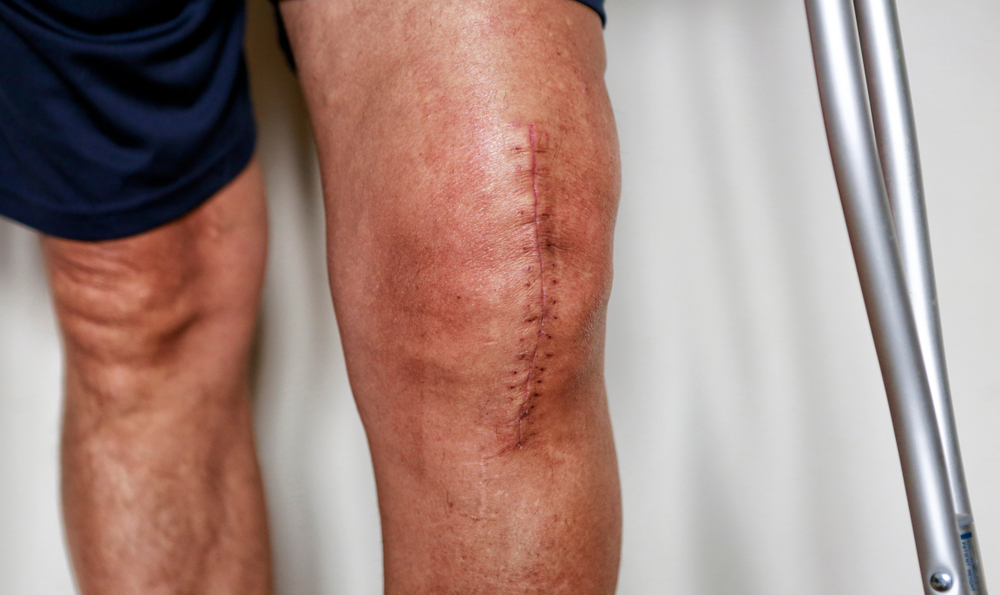
Knee replacement surgery is an effective orthopedic surgery to relieve pain and restore mobility for those with severe arthritis and joint damage. Unfortunately, knee replacement can also fail with infection, implant loosening, wear, instability, and other complications. In these situations, revision knee replacement surgery can restore function and better quality of life.
COJRI (Chandigarh Orthopaedics & Joint Replacement Institute) provides an extensive assessment and specialized treatment for Failed Knee Replacement in Chandigarh. Knowing what to expect can lead to greater confidence and preparation for revision treatment.
What is Revision Knee Replacement Surgery?
A revision knee replacement is a procedure that removes the failing artificial knee joint and addresses the problems that prompt the failure. Unlike a primary knee replacement, revision surgery is more intricate by nature, as the old implant is removed, and several other problems are addressed, in addition to adding specialized revision components.
The intent of a revision surgery is to eliminate pain, restore stability to the knee, and improve a patient’s overall quality of life by increasing the level of movement in the knee and assisting with the return to daily life activities.
There are a number of reasons why knee replacements can fail, including:
– the implant becoming loose
– the knee implant becoming infected
– the components of the implant wearing down
– instability in the knee
– loss of bone around the implant
– fractures around the knee joint
– pain and stiffness that doesn’t go away
– the implant not being positioned correctly
Diagnosing the problem sooner rather than later and taking corrective actions can help minimize complications and help the success of the surgery.
First Meeting and Evaluation
The first step in any revision surgery is a thorough evaluation by an orthopedic surgeon.
During your first meeting the surgeon might:
– Take a look at old surgery reports
– Go over your symptoms and your history
– Do a physical exam
– Take x-rays and order advanced imaging
– Do labs to rule out infection
– Check the implant and assess the bone around the implant
All of this will help the surgeon to understand what failed and is the first step in formulating a treatment approach.
Getting Ready for Surgery
Once revision surgery is recommended, the patient is getting ready for surgery so that the best outcome is possible.
This may look like:
– Your normal health exams
– Routine labs
– An assessment of your heart
– A review of your medication
– A screening for infection
– A referral for a prescriber physiotherapy assessment
Patients will also be given a lot of education on what the surgery entails and what they will need to do to rehab.
What the Surgery Looks Like
In general revision total knee replacement surgery is much more complicated than the original surgery.
The surgeon may do the following depending on the state of the implant and the surrounding bone:
– Take out the failed implant
– Incise the infected or damaged tissue
– Treat the loss of bone using grafts or specialized implants
– Fix the alignment
– Add new revision knee components
When there is an infection, the procedure may need to be done in two separate phases. In this case, the infected implant is removed and left for a while to take antibiotics before the next implant is added.
The length of the surgery varies by how complex the case is and how extensive the reconstruction is.
What Happens After Surgery?
The main goal after surgery is to ensure that the patient recovers without any issues.
In the first phases of recovery, the patient will be:
– Given pain management as needed
– Have vitals monitored
– Assisted to delay and avoid the negative effects of prolonged bed rest
– Given early physical therapy
– Helped in the walking and movement
– Given wound care and the prevention of infection
Prompt recovery is the goal of early movement and circulation.
Rehabilitation and Recovery
Post-operative care and rehabilitation is the most important aspect of successful revision knee replacement.
Physical Therapy
The rehabilitation program consists of a series of exercises designed to:
– Increase knee flexion
– Improve functional range of motion
– Strengthen the knee and restore muscular support
– Increase stability and improve balance
Walking and Mobility Training
As strength improves, patients alter their method of mobility from being assisted to walking independently.
Long-Term Follow Up
Long-term, consistent follow-up appointments allow the surgeon to properly assess the state of the revisions.
Recovery varies significantly from patient to patient, but successful rehabilitation consistently improves the outcome.
Advantages of a Successful Revision Knee Replacement
Among the potential benefits of a successful revision surgery include:
– Relief from chronic pain
– Functionally improved knee
– Increased stability of the joint
– Greater range of movement
– Increased confidence
– Enhanced quality of life
In many cases, revision knee replacement surgeries provide good long-term results. Because of advances in surgery and improved implants, this is more likely to be the case.
Why Opt for COJRI for Revision Knee Replacement in Chandigarh?
For Revision Knee Replacement in Chandigarh, COJRI is among the best.
Some of the reasons patients come to us:
– Skilled orthopedic and joint replacement surgeons
– The latest in diagnostic modes
– Customized treatment options
– The latest in surgical modalities
– Integrated rehabilitation services
– Care and services designed for the patient
The goal of the institute is to decrease patients’ pain and help them live life to the fullest.
Final Thoughts
The experience of a failed knee replacement is demanding on the body and mind, and for many patients, Revision knee replacement Chandigarh is the ideal solution. Substantial rehabilitation, combined with an expert assessment and advanced surgical techniques, can help patients greatly enhance comfort, mobility, and quality of life. The first challenge of this process is to seek the help of orthopedic professionals.
Popular Inquiries
1. What is revision knee replacement?
This is the surgery to replace an artificial knee joint that has become infected, worn out, or disengaged. It is also the surgery to replace an artificial knee that has become problematic for other reasons.
2. What are the signs of a failed knee replacement?
Some of the signs that a knee replacement surgery has failed include chronic pain, swelling, stiffness, instability, and even an inability to walk.
Does primary knee replacement surgery and the revision process involve the same level of difficulty?
Revision surgery is more challenging than primary replacement because the revision includes the removal of an already implanted device. Revision also includes the addressing the issues of the bone and the soft tissues.
How long is the recovery process after a revision knee replacement?
Recovery is after revision knee replacement is a process that takes at least several months, and requires follow up and rehab appointments.
Does all pain go after revision?
Patients have stated that pain levels drop with increased mobility after a successful revision, however, patients’ outcomes are different.
New Appointment Page Information
COJRI – Chandigarh Orthopaedics & Joint Replacement Institute
Max Hospital, Phase 6, Mohali
Panchkula Clinic:
House No. 222, Sector 4, Panchkula, Haryana 134112
Chandigarh Clinic:
Singla Clinics, House No. 3, Sector 19A, Chandigarh 160019
Social Links
Facebook: COJRI – Chandigarh Orthopaedics & Joint Replacement Institute
Instagram: @cojriindia
YouTube: COJRI