What Causes Implant Loosening? After Hip Replacement Loosening Treatment in Chandigarh Explained
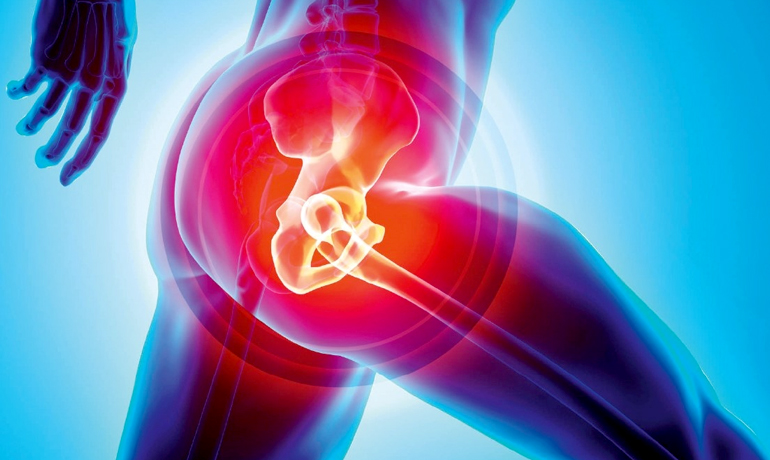
Hip replacement is one of the most effective and popular methods to restore patient mobility and relieve patient suffering. This is a great option for patients suffering hip arthritis and other hip injuries. However, some patients suffer from implant loosening as a complication after the successful procedure. This condition results in pain and creates an unstable joint that has a limited range of functioning. This condition often needs further specialized procedure to treat this complication. At COJRI, we offer some of the best options for diagnosing and treating Hip replacement loosening treatment Chandigarh complications like implant loosening. It is important to understand the complications, causes, and treatments to help you recognize the value in our services and to further specialize our practice in this area and help you improve your outcomes. Implant Loosening After Hip Replacement Hip replacement is a procedure that involves the installation of a prosthetic joint in replacement of the natural joint in the hip. Implant loosening occurs when there is a failure in the bonding of the prosthetic component to the surrounding bone. This may occur in the months and years after the procedure. This is a common occurrence that requires a revision hip replacement. Patients with a loose hip implant often suffer from pain and an overall decreased range of motion of the hip. Many also often have difficulty ambulating and experience a sense of instability in the hip when attempting to walk. Most Common Causes of Implant Loosening 1. Wear and Tear Over Time A hip implant is a prosthetic joint that is designed to last several years. However, like any joint used in the body, mechanical functioning of the joint is not without friction. Over time, the body also has a slow mechanical failure and ceasations. In such cases, the joints can begin to fail when they begin to develop friction as they do in natural joints. When this occurs, the body responds with inflammation to develop a protective interface that isolates the failing joint. In such cases, the bone surrounding the implant may become integrated and eventually replaced. 2. Osteolysis (Bone Loss) The immune system’s response to the particles worn off an implant can cause osteolysis. Osteolysis wears down the peri-implant bone, further loosening the support and causing the implant to become more unstable. 3. Infection Infections surrounding a hip replacement can cause adjacent bone and soft tissue damage. Loosening caused by infection can occur at any point from the immediate post-operative period to many years after the procedure and is typically a surgical emergency. 4. Poor Bone Quality (Osteoporosis) Implant loosening is more common with patients who have a poor or low quality bone. Poor quality bone will also not support the artificial joint. 5. Implant Positioning Issues Implant Positioning Issues during the procedure cause uneven distribution of stress and increases the loosening over time. 6. High Physical Activity Levels Impact activities place greater stress on the peri-implant bone and also cause wear to the implant. 7. Trauma or Injury The implant-bone connection may be damaged by a fall, accident, trauma, and will also contribute to loosening. Signs & Symptoms of Implant Loosening The patient should anther all the following to an orthopedic surgeon, especially if the symptoms are new or have become worse in years post-operative: – Pain in hip and/or groin – Pain while standing and/or walking – Pain while/or difficulty climbing stairs – Reduced range of motion – Limping – A feeling of hip instability – Joint swelling – Increasing pain after a successful hip replacement Treatment is improved with earlier diagnosis. Delay may cause more complications. Diagnosing Loosening Implants Specialists at COJRI utilize cutting-edge methods for diagnosing the source of hip pain. This pain may occur after hip replacement surgery. Hip pain causes are frequently related to loosening. The following may be included in the diagnosis: – A complete medical history – A complete physical exam – Digital X-rays – CT scans – MRIs – Blood tests for infectious pathology – Aspiration of the joint, if a localized infection is suspected Definitive diagnosis of loosening is essential for determining the cause, which may include: wear, infection, or bone loss. Treatment for Implant Loosening in Chandigarh Non-surgical Treatment Implant loosening causes pain and limited mobility. In mild cases, less invasive treatment may include: – Pain management – A modification of daily activities – Physical therapy – The use of mobility aids Unfortunately, this type of treatment may only be a temporary measure, and it frequently does not address loosening of the implant. Revision Hip Replacement Surgery Revision hip replacement surgery is an effective intervention for moderate to severe loosening of the implant. This surgery removes the loose components and place new advanced modern implants. Revision surgery may involve: – Replacing one or all components of the implant – Bone grafting if there is a loss of bone – Management of infection if necessary – More complex reconstruction techniques Management of Infection If the infection is the cause of loosening, treatment may include: – Infection control with antibiotics – Joint washout – Complex two-stage revision in some cases Why Choose COJRI for Hip Revision Surgery? COJRI has one of the most reputed orthopedic centers that focuses on complex joint replacement. The institute has: – Joint replacement surgeons with a lot of experience – Advanced methods of assessment – The ability to design a treatment plan – A complete rehabilitation program – Knowledge of revision hip replacement surgery – Care that has the patient in mind for recovery that is long lasting The staff is involved with the patient to help them regain the ability to move, less pain, and improve the quality of their life. Tips for Preventing The Risk of Implant Loosening To help prevent loosening of the hip replacement, the patient should: – Maintain a healthy weight – Stick to the rehabilitation plan as directed post surgery – Avoid high risk/jarring activities – Keep all follow-up appointments – Notify the medical staff of any new or