How the Top Knee Orthopedic Surgeon in Chandigarh Restores Mobility
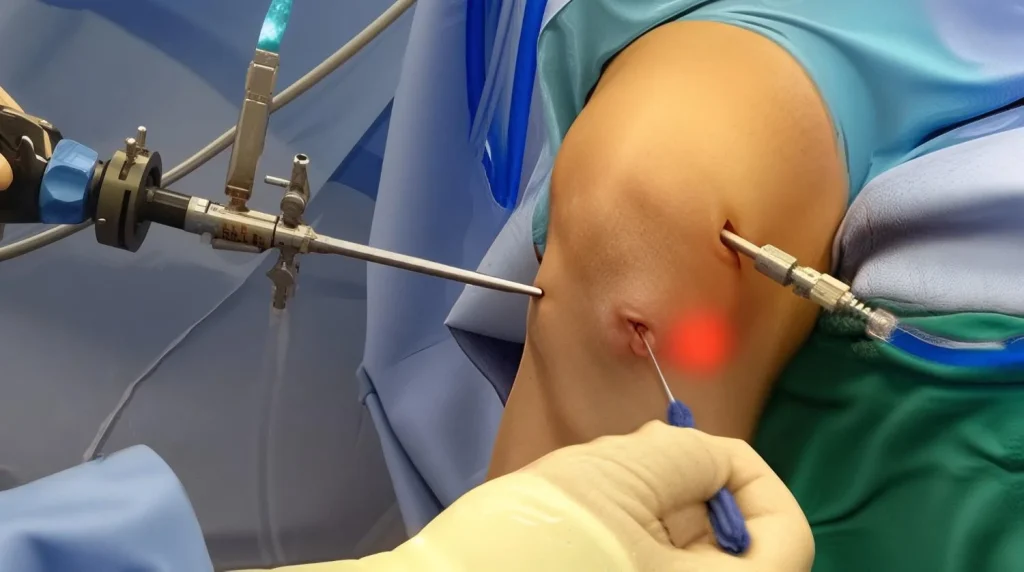
Knee problems can make daily tasks difficult. Whether the cause is arthritis, a sport, a damaged ligament, or normal wear and tear, knee issues make movement difficult and lessen the quality of life. The Best orthopedic surgeon for knee Chandigarh can help relieve pain and make the patient active and healthy again. The Chandigarh Orthopaedics and Joint Replacement Institute (COJRI) provides excellent orthopedic care and benefits from their customized, patient-oriented care approach. The Consequences of Knee Pathologies The knee, a major weight-bearing joint, if damaged or affected by a disease can result in: – Constant Pain – Swelling and/or Stiffness – Difficulty in Walking – Less Joint Flexibility – Less Stable Joint – Less Ability to do Normal Daily Tasks If these issues are not corrected in a timely manner, they can quickly worsen and ultimately affect daily tasks. How a Specialist Knee Surgeon can Improve Joint Mobility An Important First Step is a Diagnosis and Assessment The First Important Step to a Successful Knee Pain Treatment is the Assessment and Diagnosis of the Pain Cause. The Orthopedic Specialist evaluates the history of the Medical Case, provides a detailed physical exam of the patient, and provides the necessary imaging to confirm his diagnosis and the treatment plan. Non-Surgical Treatments There are many ways a damaged knee can be treated without going under the knife. These can include: – Physical therapy – Exercises – Managing weight – Switching up lifestyle habits – Pain management – Supportive therapies Using these treatment methods can help with the function of the knee and can slow down the worsening of the condition. Preservation Treatments If the knee only has localized damage or has a mild case of arthritis, there are preservation treatments that can help with keeping the knee joint. These treatments can help with the mitigation of discomfort within the knee and can also make the joint more mobile. Robotic-Assisted Surgery For the more advanced stages of arthritis and joint damage, the only real course of action may be a total knee replacement. Robotic-assisted knee replacement is a more advanced surgery that helps the replacement be more exact. Some of the advantages include: – More exact placements – Alignment of the joint is improved – Mobility can also be improved – Scarring and damage to the tissue is less – Healing time is shorter – Results can be felt long after the surgery With this kind of surgery, many patients are able to move better and have an improved quality of life. Rehabilitation There is a crucial period after surgery and that is going through an extensive rehabilitation process. This healing phase helps increase mobility back to where it was prior to the surgery. Also, it helps restore strength. There are treatments offered that can help the transition from post surgery back to normal life that are highly recommended. Why Che-of-the-art robotic-assisted surgery – Customized treatment – Up-to-date Diagnostic Facilities – Complete Rehabilitation Services – Care and Recovery Programs Our goal is to restore quality of life and improve functional mobility. Signs You Should Consult a Knee Specialist You should seek an orthopedic evaluation when you have: – Knee pain that is constant – Trouble with walking and climbing stairs – Swelling that is constant – Stiffness that occurs in a knee after resting – Instability in the knee joint – A knee that does not have full range of motion – A knee that does not improve with medication or therapy The sooner treatment is sought, the sooner and better the results of the treatment will be. Conclusion Mobility is essential for an active and independent lifestyle. The top surgeon for Robotic knee surgery Chandigarh offers non-invasive therapy, knee preservation surgery, as well as state-of-the-art robotic-assisted knee replacement surgery. Expert care, the latest technology and personalized rehabilitation at COJRI work together to restore mobility. Frequenit possible to manage knee arthritis without surgery? Yes. Early arthritis is manageable by physiotherapy, exercise management, weight control, medications, and other modifying lifestyle factors. 3. What advantages are there to robotic knee replacement? Increased accuracy, better joint function, improved positioning, and faster recovery are all benefits of robotic-assisted surgery. 4. What is the length of recovery for knee replacement surgery? Recovery is individual, but people are usually able to start walking with the aid of a walker within a few days. Recovery continues for the next few months. 5. Is knee replacement surgery a safe option? Yes. When done by skilled orthopedic surgeons, knee replacement surgery is safe and surgery is of good quality. NAP Information COJRI – Chandigarh Orthopaedics & Joint Replacement Institute Max Hospital, Phase 6, Mohali Panchkula Clinic: House No. 222, Sector 4, Panchkula, Haryana 134112 Chandigarh Clinic: Singla Clinics, House No. 3, Sector 19A, Chandigarh 160019 Social Links Facebook: COJRI – Chandigarh Orthopaedics & Joint Replacement Institute Instagram: @cojriindia YouTube: COJRI If you are searching for hip fracture surgery chandigarh, then click here
Oxford Partial Knee Replacement in Chandigarh: Why Less Is More
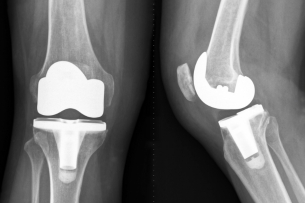
Not every arthritic knee needs a total replacement. For the right patient, a partial knee replacement—specifically the Oxford Unicompartmental Knee—delivers faster recovery, a more natural knee feel, and outstanding long-term outcomes. As the pioneer of Oxford Partial Knee Replacement Chandigarh, Dr. Jatinder Singla has performed hundreds of Oxford procedures at COJRI. Here is everything you need to know. What Is the Oxford Partial Knee Replacement? The Oxford unicompartmental knee (UKR) is a minimally invasive procedure that resurfaces only the damaged compartment of the knee—typically the medial (inner) side—while leaving all healthy bone, cartilage, and cruciate ligaments completely untouched. The Oxford Knee uses a mobile-bearing design — a freely moving meniscal spacer between the two metal components — that mimics natural knee movement far more closely than fixed-bearing designs. This is why patients consistently describe their Oxford Knee as feeling ‘like a natural knee.’ Why COJRI Specialises in Oxford Knee The Oxford Knee requires specific surgical training and high volume to achieve consistently excellent results. Dr. Jatinder Singla trained at internationally recognized centers and has one of the largest Oxford Knee series in North India. Oxford Partial vs Total Knee — Key Differences Factor Oxford Partial Knee Total Knee Replacement Bone removed Minimal — damaged surface only Entire joint surface resurfaced Recovery to walking 1–2 weeks 3–4 weeks Hospital stay 1–2 days 3–4 days Knee feel Very natural Excellent but subtly different Suitable for Single compartment OA, intact ACL All three compartments affected Can be revised to TKR Yes — straightforward More complex to revise Who Qualifies for Oxford Partial Knee? Not every patient is suitable. The ideal Oxford Knee candidate has: Arthritis confined to one compartment (usually medial) on X-ray Intact ACL (anterior cruciate ligament) No significant fixed flexion deformity BMI under 35 Age typically 50–75, but younger active patients are excellent candidates Pain primarily on the inner side of the knee Assessment Is Essential Only a detailed clinical examination and X-ray at COJRI can confirm Oxford Knee eligibility. The difference between partial and total replacement candidacy is determined by factors only a specialist can evaluate. Recovery After Oxford Partial Knee Day 1: Walking with frame, physiotherapy begins within hours Week 1: Discharged home walking with a stick Weeks 3–4: Walking normally without any aid Month 2: Return to driving, light recreational sports Month 3: Full return to active lifestyle including travel, golf, and swimming Frequently Asked Questions Q: How do I know if I need partial or total knee replacement? A: The decision is based on X-rays, MRI, and clinical examination. If only one compartment is arthritic and the ACL is intact, partial replacement may be an option. At COJRI, Dr. Jatinder Singla personally evaluates each patient. Q: Is the Oxford Knee available in Chandigarh? A: Yes. COJRI at Max Super Speciality Hospital, Mohali is one of the few centres in North India with extensive Oxford Knee experience. Dr. Jatinder Singla is the pioneer of this procedure in the region. Q: What is the success rate of Oxford partial knee? A: The Oxford Knee has 95%+ patient satisfaction at 10 years in well-selected patients—when properly performed by an experienced surgeon, it is among the most successful joint replacement procedures available. Q: Can a partial knee be converted to total if needed? A: Yes. If arthritis progresses to other compartments over time, the Oxford Knee can be revised total knee replacement. This is a significant advantage — partial replacement does not foreclose your future options. Q: How soon can I walk normally after Oxford Knee? A: Most COJRI Oxford Knee patients walk without any aid by weeks 3–4 of surgery—significantly faster than total knee replacement recovery. Is the Oxford Partial Knee the Right Choice for You? Get evaluated by North India’s Oxford Knee pioneer—Dr. Jatinder Singla. Book Free Consultation
Why I Choose Robotic Knee Surgery for Most of My Patients: A Surgeon’s Honest Perspective
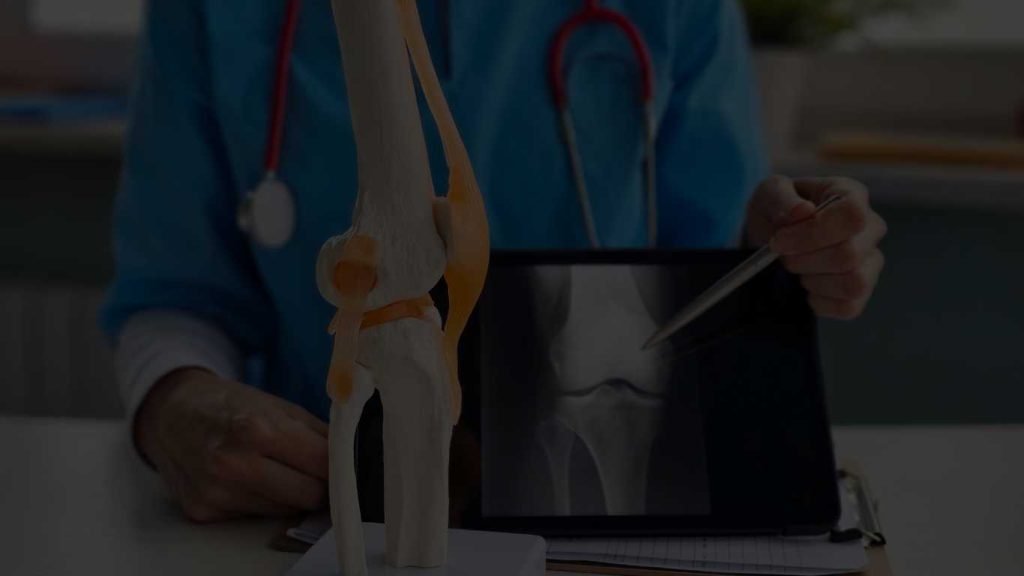
After 18 years and over 3,000 knee surgeries, Dr. Jatinder Singla explains why robotic-assisted knee replacement has become his preferred approach — and what it means for patients in Chandigarh, Mohali and Panchkula.
Top Anti-Inflammatory Nutrients for Healthy Joints | COJRI Chandigarh
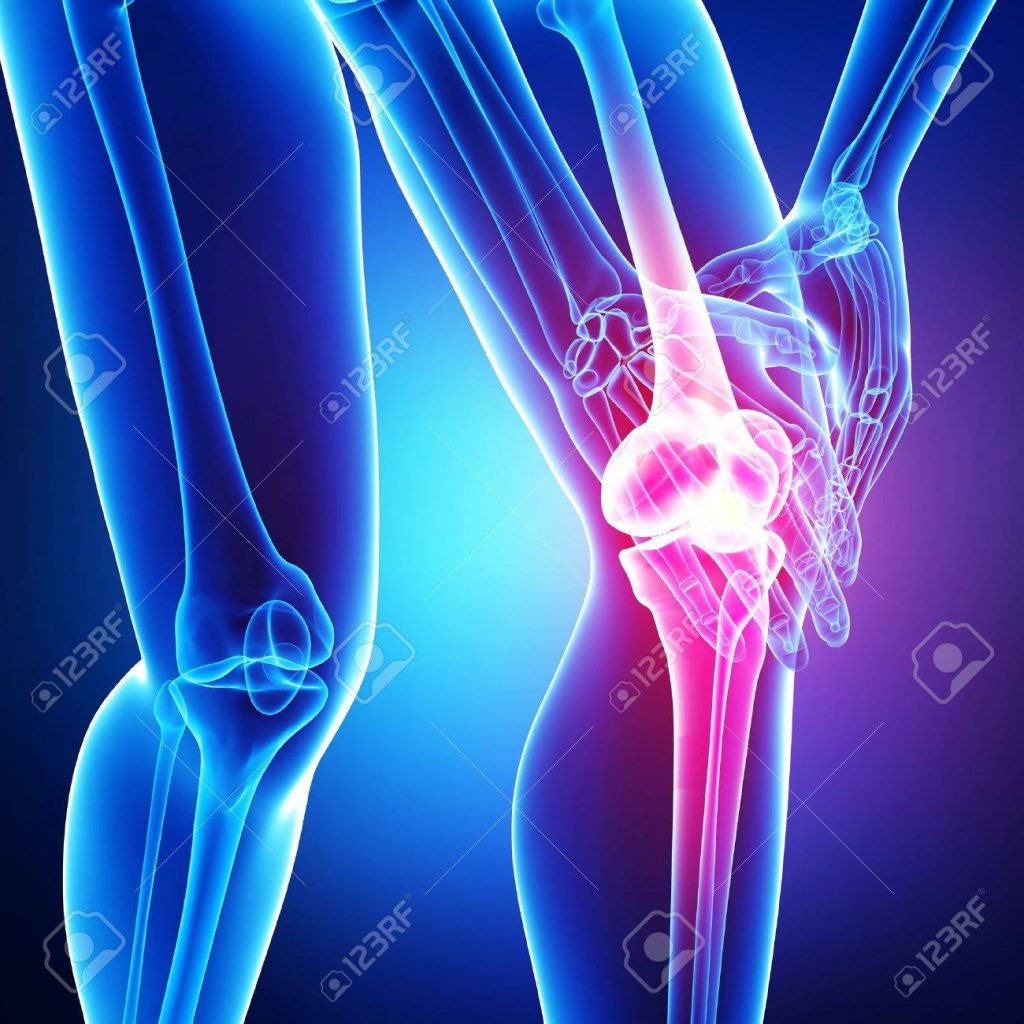
Best anti-inflammatory foods and nutrients for joint health recommended by COJRI orthopaedic experts in Chandigarh, Mohali & Panchkula.