Everything You Need to Know About Second Knee Replacement Surgery in Chandigarh
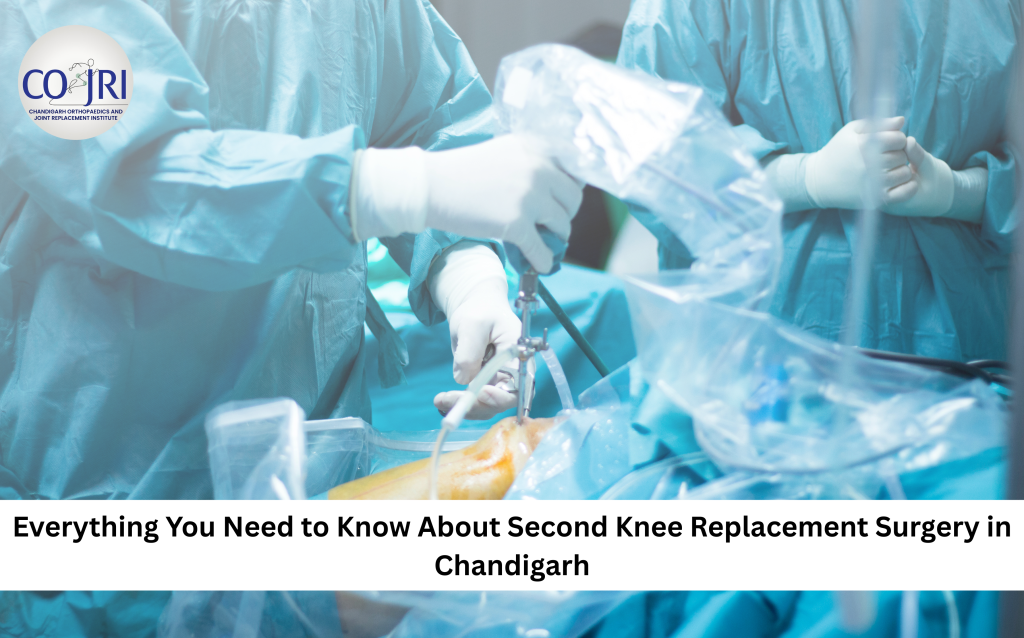
It’s likely that you are not alone in your experience of a knee implant losing functionality, comfort, and a range of motion over time after having a knee implant. You are likely looking for some answers. Second Knee Replacement Surgery in Chandigarh is much more common than many patients suspect. Understanding why it is necessary, and the process in general, including recovery, can help to reduce the fear associated with the process. In this post, we will discuss the reasoning, the warning signs, what the procedure is like, and what you can expect for recovery. What Is a Second Knee Replacement? Also commonly referred to as revision knee replacement, a second knee replacement is the process of replacing a knee implant that is old, loose, or functioning sub-optimally. Addressing straightforward arthritis is typically the challenge of the first surgery. Because a knee joint that is operated on once already is typically of a more complex state, this surgery generally involves replacing the old components of the knee, filling a void where bone is missing, and placing a new knee implant. Because this is a more complex procedure than the initial surgery, it is important that it be performed by a surgeon who has a lot of experience with revision joint care. Why Do Knee Implants Fail? There are multiple reasons knee implants encounter failure. At Apex Orthopedics, common reasons we believe may be contributing to failed knee replacement surgery in Chandigarh include: Loosening or Worn out Implants – Metal and plastic components may completely fail to bond or lose a grip to on the bone. Infections – Threatening the stability of an implant, even a mild infection surrounding the implant may be cause for implant removal. Knee Implant Instability – Implants may fail to function should the knee shift or feels as though it is giving out. Bone Loss – Instead of an implant, an over time even natural bone may decay. This significantly affects the elderly and/or patients suffering from osteoporosis. Implant Fractures – An injury or fall may cause fractures of bone surrounding a prosthesis. Scar Tissue – This causes stiffness and discomfort and may even restrict normal movement of the knee. At Apex Orthopedics, we believe addressing these issues quickly, rather than on an implant-by-implant basis, may preserve the function of the surrounding joints. Signs Revision Surgery May Be Needed Not everything that feels off after a knee replacement is genuinely an issue, but the following symptoms should be taken seriously: Swollen or warm knee years post-operation Sounds of grinding, clicking, or popping when the knee is moved Pain that is worsening when walking, climbing, or standing The knee feels like it is giving out or unstable An observable change in the alignment of the leg A decreased ability to fully extend the knee compared to previous months Should you find yourself experiencing any of these symptoms, you may see an orthopedist for imaging in order to see if your knee replacement is becoming loosened, infected, or mechanically failing. How a Second Knee Replacement Surgery is Performed A second knee replacement procedure is more complex than a first knee replacement procedure. Here is what is involved in a typical second knee replacement: Detailed Assessment – X-rays, blood work, and possibly a sample of joint fluid are taken to check for a possible infection. Assessing the Surgery – Because bone has been altered from the first replacement, surgeons are assisted with highly specialized imaging or robotic surgery to see how the implant will fit. Removing Old Implant – The Old Implant is Extracted. Reconstruction of Bone (if indicated) – Specialized Revision Implants or bone grafting may be required. New Implant is Placed – This Revision Implant comes with a stable, extended, and specialized Revision Implant. Closure and Recovery Planning – The surgical team develops a plan to begin rehabilitation based on the patient’s mobility objectives. Use of robotic-assisted techniques has made this second surgery considerably easier and allows the surgeon to be more accurate with alignment, particularly in the setting of less than ideal bone. Recovery After a Second Knee Surgery Typically, recovery after a repeat procedure is a bit more involved than the original surgery. This is primarily due to the added recovery time for the surrounding tissue. Most patients will experience the following: A hospital stay of a few days (this varies based on complexity) Immediate post-op physiotherapy (within 1–2 days) to help with movement Walking unassisted after approximately 4–6 weeks A return to normal activity after approximately 3–6 months (this varies per person) Length of recovery also depends on how well a patient adheres to their physiotherapy plan and how well they attend their post-operative appointments. Selecting the Correct Revision Knee Surgery When it comes to expertise, nothing is more telling than a complicated procedure. A good Revision Joint Replacement team has: Specialized, advanced training and a large volume of Revision Joint Replacement cases Advanced imaging and/or robotics for implantation precision An understanding of why the patient’s prior Joint Replacement failed and the ability to articulate it A system of post-operative rehabilitation that is ongoing and well structured Commonly asked questions What is the lifespan for a knee implant? Most knee implants can last 15-20 years. There are many factors, such as activity, body weight, bone health, etc. On a scale of 1 to 10 how would you compare the pain for a second knee replacement to the pain of a first surgery? Everyone has a different pain experience. Pain management has advanced, and pain for the surgeries is about the same. What are some causes of unsuccessful knee replacements in Chandigarh? The same things that cause failed knee surgeries anywhere cause them in Chandigarh. Wear of the implant, infection, knee instability, loss of bone, etc. There may be more success in diagnosing failed implants when there is a greater number of skilled Revision Surgeons. Would it be possible to treat an infected knee implant without removing it? In the early stages of some infections, it may be possible to treat the infection without a full implant removal. However, most situations require
What Causes Implant Loosening? After Hip Replacement Loosening Treatment in Chandigarh Explained
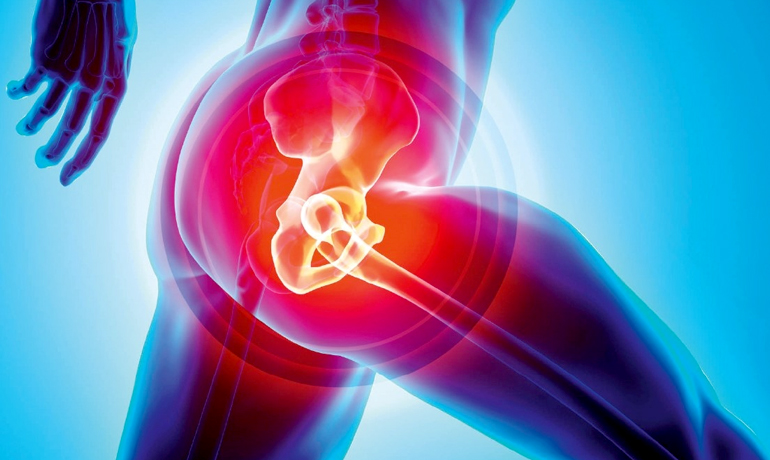
Hip replacement is one of the most effective and popular methods to restore patient mobility and relieve patient suffering. This is a great option for patients suffering hip arthritis and other hip injuries. However, some patients suffer from implant loosening as a complication after the successful procedure. This condition results in pain and creates an unstable joint that has a limited range of functioning. This condition often needs further specialized procedure to treat this complication. At COJRI, we offer some of the best options for diagnosing and treating Hip replacement loosening treatment Chandigarh complications like implant loosening. It is important to understand the complications, causes, and treatments to help you recognize the value in our services and to further specialize our practice in this area and help you improve your outcomes. Implant Loosening After Hip Replacement Hip replacement is a procedure that involves the installation of a prosthetic joint in replacement of the natural joint in the hip. Implant loosening occurs when there is a failure in the bonding of the prosthetic component to the surrounding bone. This may occur in the months and years after the procedure. This is a common occurrence that requires a revision hip replacement. Patients with a loose hip implant often suffer from pain and an overall decreased range of motion of the hip. Many also often have difficulty ambulating and experience a sense of instability in the hip when attempting to walk. Most Common Causes of Implant Loosening 1. Wear and Tear Over Time A hip implant is a prosthetic joint that is designed to last several years. However, like any joint used in the body, mechanical functioning of the joint is not without friction. Over time, the body also has a slow mechanical failure and ceasations. In such cases, the joints can begin to fail when they begin to develop friction as they do in natural joints. When this occurs, the body responds with inflammation to develop a protective interface that isolates the failing joint. In such cases, the bone surrounding the implant may become integrated and eventually replaced. 2. Osteolysis (Bone Loss) The immune system’s response to the particles worn off an implant can cause osteolysis. Osteolysis wears down the peri-implant bone, further loosening the support and causing the implant to become more unstable. 3. Infection Infections surrounding a hip replacement can cause adjacent bone and soft tissue damage. Loosening caused by infection can occur at any point from the immediate post-operative period to many years after the procedure and is typically a surgical emergency. 4. Poor Bone Quality (Osteoporosis) Implant loosening is more common with patients who have a poor or low quality bone. Poor quality bone will also not support the artificial joint. 5. Implant Positioning Issues Implant Positioning Issues during the procedure cause uneven distribution of stress and increases the loosening over time. 6. High Physical Activity Levels Impact activities place greater stress on the peri-implant bone and also cause wear to the implant. 7. Trauma or Injury The implant-bone connection may be damaged by a fall, accident, trauma, and will also contribute to loosening. Signs & Symptoms of Implant Loosening The patient should anther all the following to an orthopedic surgeon, especially if the symptoms are new or have become worse in years post-operative: – Pain in hip and/or groin – Pain while standing and/or walking – Pain while/or difficulty climbing stairs – Reduced range of motion – Limping – A feeling of hip instability – Joint swelling – Increasing pain after a successful hip replacement Treatment is improved with earlier diagnosis. Delay may cause more complications. Diagnosing Loosening Implants Specialists at COJRI utilize cutting-edge methods for diagnosing the source of hip pain. This pain may occur after hip replacement surgery. Hip pain causes are frequently related to loosening. The following may be included in the diagnosis: – A complete medical history – A complete physical exam – Digital X-rays – CT scans – MRIs – Blood tests for infectious pathology – Aspiration of the joint, if a localized infection is suspected Definitive diagnosis of loosening is essential for determining the cause, which may include: wear, infection, or bone loss. Treatment for Implant Loosening in Chandigarh Non-surgical Treatment Implant loosening causes pain and limited mobility. In mild cases, less invasive treatment may include: – Pain management – A modification of daily activities – Physical therapy – The use of mobility aids Unfortunately, this type of treatment may only be a temporary measure, and it frequently does not address loosening of the implant. Revision Hip Replacement Surgery Revision hip replacement surgery is an effective intervention for moderate to severe loosening of the implant. This surgery removes the loose components and place new advanced modern implants. Revision surgery may involve: – Replacing one or all components of the implant – Bone grafting if there is a loss of bone – Management of infection if necessary – More complex reconstruction techniques Management of Infection If the infection is the cause of loosening, treatment may include: – Infection control with antibiotics – Joint washout – Complex two-stage revision in some cases Why Choose COJRI for Hip Revision Surgery? COJRI has one of the most reputed orthopedic centers that focuses on complex joint replacement. The institute has: – Joint replacement surgeons with a lot of experience – Advanced methods of assessment – The ability to design a treatment plan – A complete rehabilitation program – Knowledge of revision hip replacement surgery – Care that has the patient in mind for recovery that is long lasting The staff is involved with the patient to help them regain the ability to move, less pain, and improve the quality of their life. Tips for Preventing The Risk of Implant Loosening To help prevent loosening of the hip replacement, the patient should: – Maintain a healthy weight – Stick to the rehabilitation plan as directed post surgery – Avoid high risk/jarring activities – Keep all follow-up appointments – Notify the medical staff of any new or
Infection After Knee Replacement: Signs, Causes and Treatment in Chandigarh
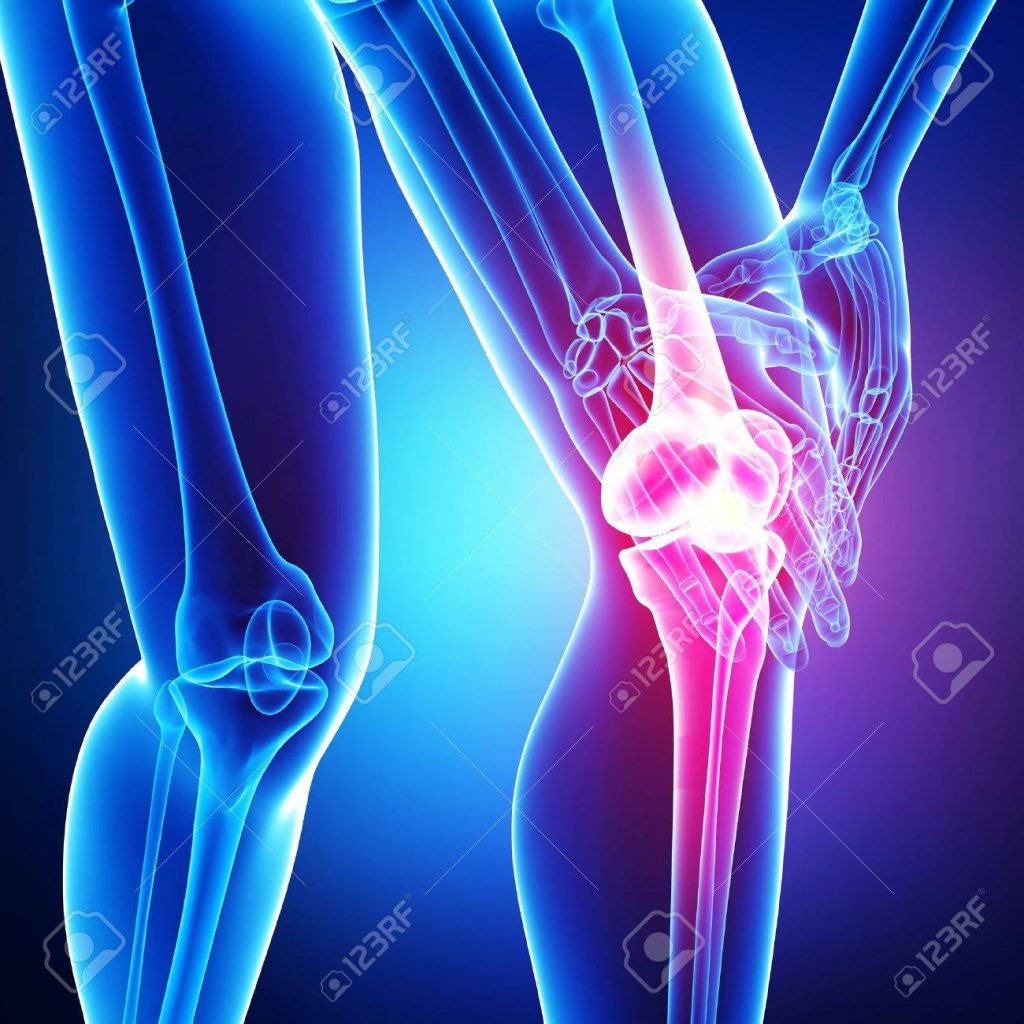
Worried about infection after knee replacement surgery? Learn to recognise the signs early and understand how COJRI specialists in Chandigarh treat periprosthetic joint infections.
Knee Replacement vs HTO Surgery in Chandigarh — Which Is Right for You?
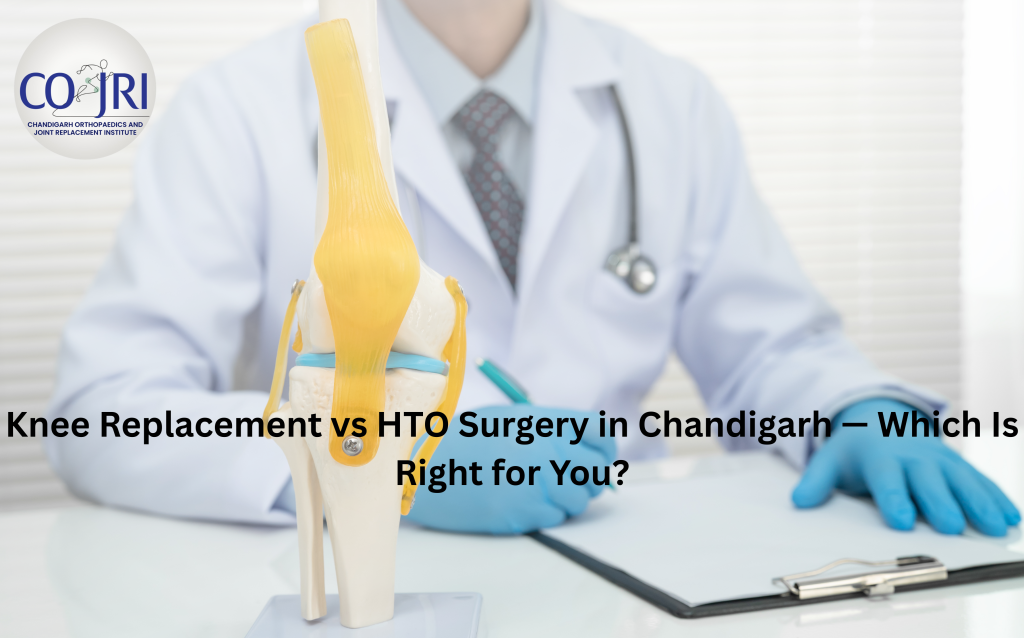
Compare total knee replacement vs high tibial osteotomy (HTO) for knee pain in Chandigarh. Expert guidance from COJRI surgeons serving Mohali & Panchkula.
Hip Replacement Recovery Timeline: A Week-by-Week Guide for Patients in Chandigarh
Recovering from hip replacement surgery in Chandigarh, Mohali or Panchkula? This week-by-week guide explains what to expect at every stage of your recovery journey.
Signs You May Need Revision Knee Replacement Surgery: A Guide for Patients in Chandigarh
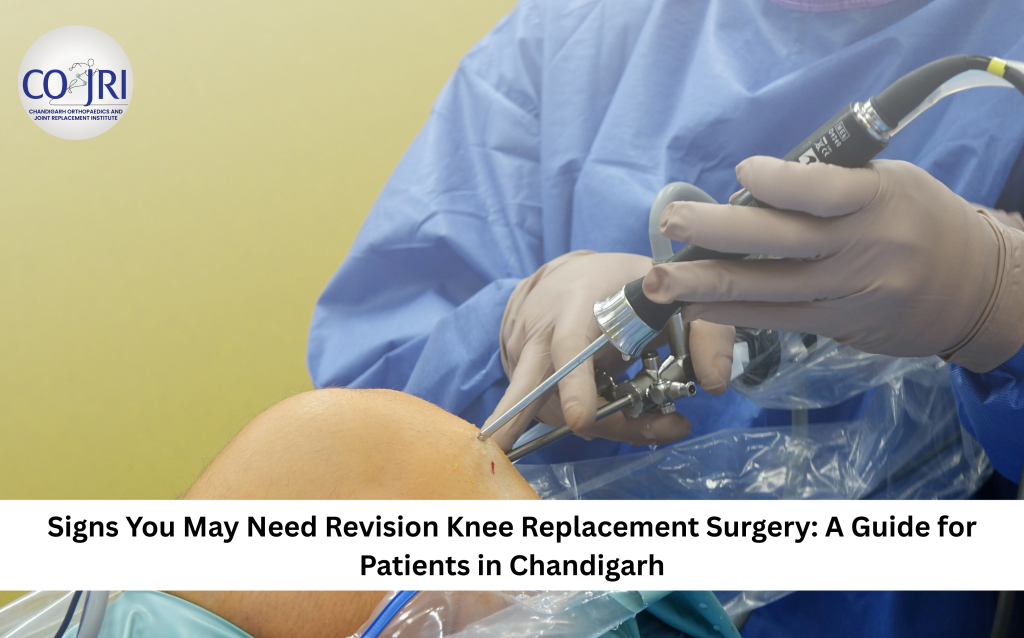
Had knee replacement surgery but still experiencing pain or instability? Learn the key signs that revision knee surgery may be needed — from COJRI specialists in Chandigarh.
Robotic Knee Replacement in Chandigarh: What to Expect Before, During and After Surgery
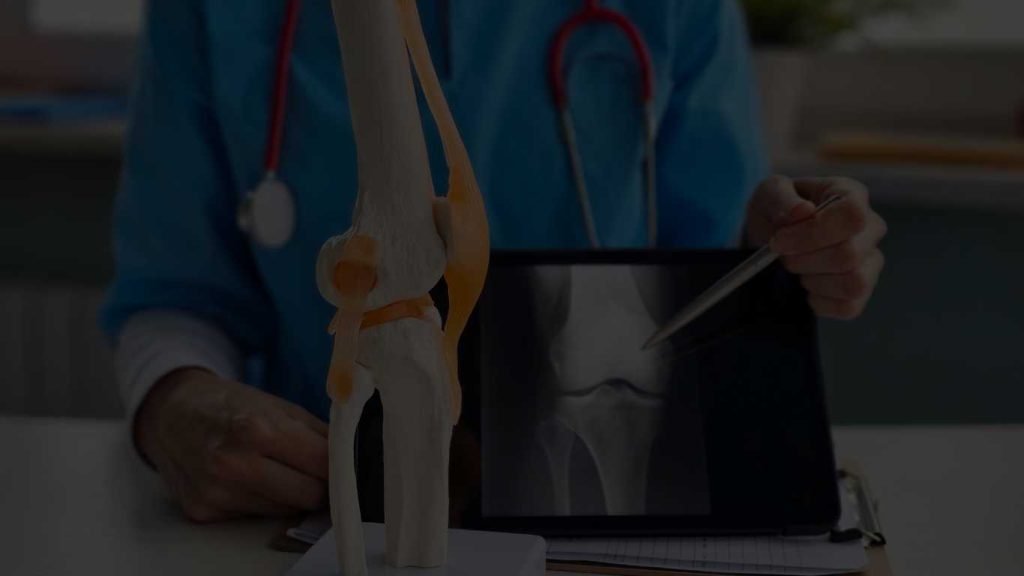
Planning robotic knee replacement surgery in Chandigarh? Here is everything you need to know — from preparation and the procedure itself to recovery milestones at COJRI.
Top Anti-Inflammatory Nutrients for Healthy Joints | COJRI Chandigarh
Best anti-inflammatory foods and nutrients for joint health recommended by COJRI orthopaedic experts in Chandigarh, Mohali & Panchkula.
Morning Walk Benefits After Knee Surgery | COJRI Chandigarh
Why morning walks are essential after knee replacement surgery. Recovery tips from COJRI physiotherapy team in Chandigarh, Mohali & Panchkula.
Physiotherapy Exercises for Knee Pain Relief | COJRI Chandigarh
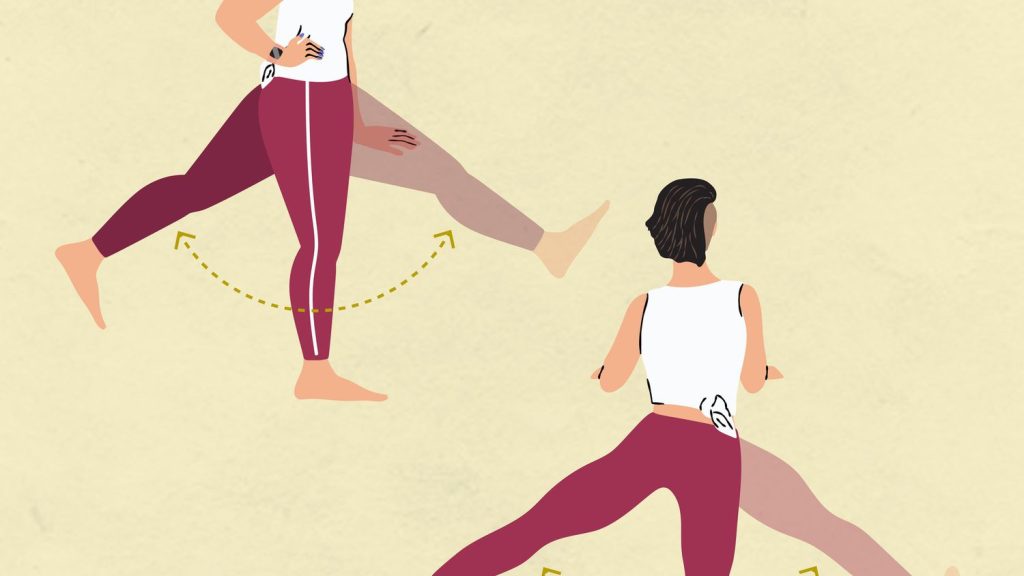
Best physiotherapy exercises for knee pain relief recommended by COJRI orthopaedic team in Chandigarh. Serving patients across Mohali & Panchkula Tricity.