Can Surgery for Knee Replacements in Chandigarh Become Less Painful?
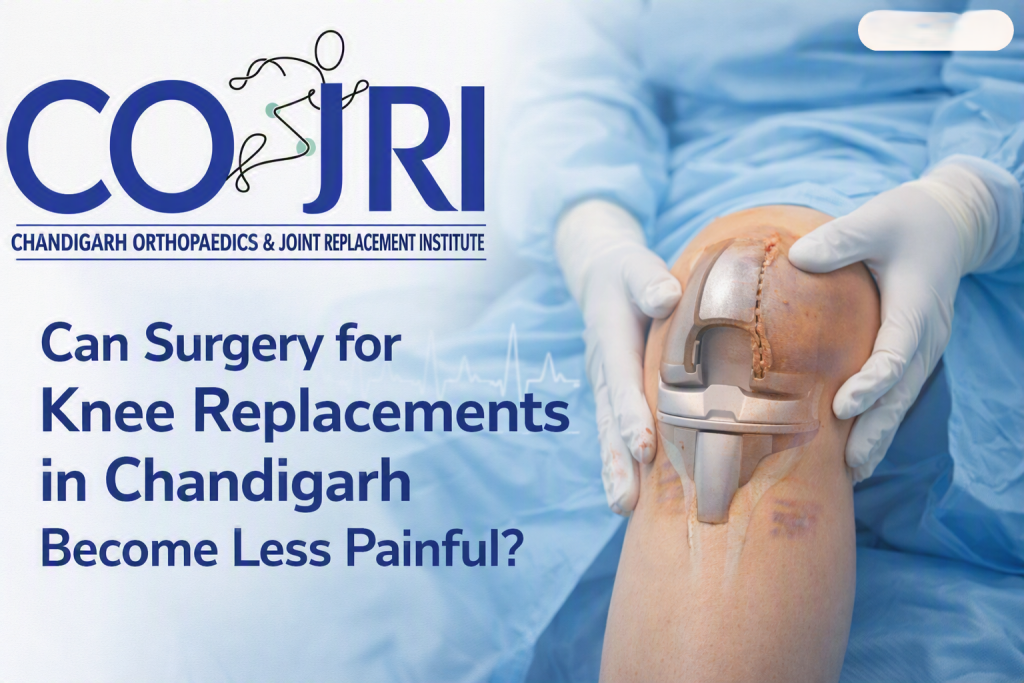
Knee pain causes a major inconvenience in day to day activities. It can affect walking, climbing stairs, rising from a seat and other activities. It becomes imperative to consider knee replacements when pain and restriction in movements become intolerable even after taking pain medications and undergoing various therapies. There has been a lot of development in the field of surgery and medicine. This has made various procedures less painful. Knee replacements also have the same potential to a large extent. It is common for patients seeking Knee replacement without pain Chandigarh to enquire about the availability of procedures which cause least amount of discomfort. No surgery can be absolutely painless. However, a number of ways can be adopted to keep the pain under control and ensure a hassle plus comfortable recovery. What is Knee Replacement? Knee replacement, or knee arthroplasty, is a surgery to remove damaged parts of the knee and replace them with artificial parts. The surgery is performed to alleviate symptoms of knee pain and improve knee function. Osteoarthritis is the most prevalent cause of knee replacement. Patients experience knee pain, knee stiffness and other symptoms even at rest. Simple activities of daily living become challenging and tiring for them. A thorough evaluation by an experienced specialist is important to consider knee replacement. Can Knee Replacement Be More Comfortable? A myriad of procedures and services can help in pain management and recovery after a knee replacement surgery. To make the best decision for surgery, there is a pre-surgical process to gain understanding into the patient’s condition, as well as to gain information about other potential co-morbidities the patient may have. Imaging studies can aid in the analysis of joints and joint mal-alignment. In some instances, advanced software can be used to assist in pre-surgical planning. These programs can aid in analyzing the patient’s anatomy and creating a surgical plan. There have been many advances in surgical technique and implant design over the past years. The surgery focuses on the correction of a joint, and the implant serves as a proxy for the joint. There are many techniques available to the surgeon. It is up to the discretion of the surgeon to determine the best method to correct the joint. In some instances, a robotic assist can aid the surgeon in the correction of the joint. From a legal standpoint, the surgeon is obligated to oversee and direct all aspects of the surgery, regardless of the level of assistance the robot may provide. With advances in anesthesia and pain management, patients can expect comfort during and after surgery. Post surgical pain management allows the patient to be comfortable while maintaining control of pain. Effectively managing pain allows the patient to actively participate in therapy. Managing pain after a knee replacement is important to facilitating the patient’s rehabilitation. Some discomfort is expected during the recovery process, but the goal of knee replacement surgery is for the patient to be pain-management stable enough to begin physical therapy as quickly as possible. Importance of Early Mobilisation It is in the patient’s best interest to begin knee movement as soon as it is tolerable. Immediately following a total knee replacement surgery, various clinical teams develop a plan to begin appropriate knee movement as quickly as possible. Although the extent of movement is limited by the patient’s knee stability, and early movement aids in the recovery of functional independence. The extent of movement is gradually increased and monitored by a physical therapist. The Role of Robotic-Assisted Surgery A surgeon has many tools, including robotic assistance, to gain a three-dimensional view of the anatomy and assist in the surgery. This technology can also help surgeons achieve the correct alignment of the knee replacement components. There are several variables to knee replacement surgery that affect the outcome. The goal of any surgery is to give the patient the best possible outcome. It is the surgeon’s job to research the literature and make an informed decision on what technology to use to assist in surgery. If a patient’s condition warrants the use of robotic-assisted surgery, then it should be used, and education on the technology should be provided to the patient. Most patients should be comfortable with the surgeon using his/her best judgement based on the latest available technology. Situations When a Knee Replacement Becomes Necessary Knee replacement surgery becomes an option when damage to the knee joint becomes severe, and it starts affecting your daily life. Some of the symptoms which may cause your doctor to consider knee replacement include: Pain which gives you no rest Difficulty in walking Stiffness Inability to climb stairs Decreased capability to perform activities of your daily living Inadequate response to non-operative treatment Presence of significant degenerative changes on X-rays The presence of knee pain in no way suggests that surgery is inevitable. Depending on your condition, your doctor may suggest you to lose weight, change your activities of daily living, take certain medications, have some injections or undergo physical therapy. Choosing the Right Knee Replacement Surgeon in Chandigarh The most important factor on which the outcome of your surgery depends is your surgeon. You should take into consideration the surgeon’s training and experience, the healthcare facility, the anesthesia and pain management techniques, the rehabilitation and support services, and the attitude of the surgeon in explaining the procedure and answering your questions. No surgery is performed without a reason, and you should be informed about the various alternatives and the risks and benefits of the surgery. Recovery After a Knee Replacement Surgery Recovery after knee replacement is a long process. You may be able to walk with support the same day of your surgery, but full recovery can take several months. The best chance of a quick recovery is to fully participate in your rehabilitation. This includes physical therapy, and doing the exercises and following the restrictions, if any, given by your doctor. There is a large variation in the rate of recovery between different persons, so it is of
Best Orthopedic Surgeon for Knee Pain in Chandigarh: Treatment Options Explained
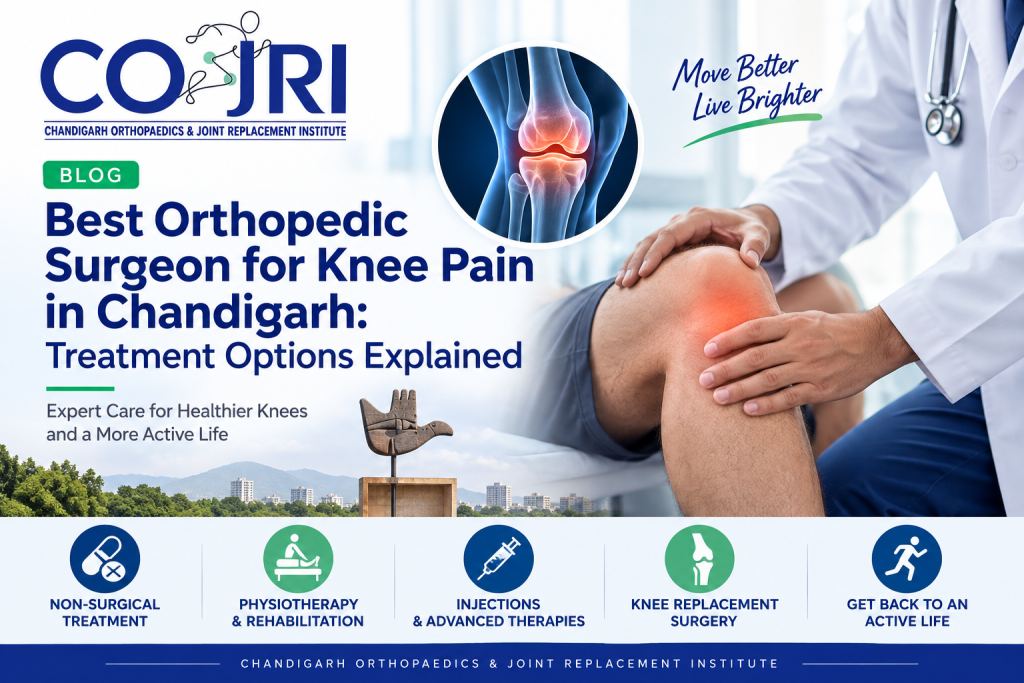
Knee pain happens a lot to many peoples’ detriment. It can occur from injury, sports related, ligament or cartilage issues, arthritis, degeneration, or injuries from years before. However, if it bothers you and you experience no relief from home care, like pain that is present or worsening, then see an orthopedic surgeon. Those looking for the best orthopedic surgeon for knee Chandigarh should look no further as treatment choices clarify the best path for knee pain care. There are variations to treatment based on the cause, severity, and age, how active you are, overall health, and your goal. Recognizing the Cause of Pain The orthopedic surgeon will review your history and symptoms and may order or request x-rays after a physical examination. Common causes of knee pain include ligament, osteoarthritis, inflammatory, something in the cartilage, meniscus, damage, and overuse. Recognizing the reason is important because the treatment for an early stage injury will be entirely different compared to treatment for an advanced case of knee degeneration. Non-Surgical Options Surgical intervention is not always required. Depending on the diagnosis, your orthopedic surgeon will decide on a course of treatment that is more conservative. This treatment can be activity modification, physiotherapy, some strengthening exercises, weight loss or other non-surgical interventions, and medication with care by a physician. Physiotherapy improves muscle strength and flexibility, and increases balance and joint function. Patients are encouraged to perform exercises that are prescribed by their healthcare provider. It is strongly discouraged to attempt exercises that are strenuous. Injections and Other Treatments Some orthopedic specialists may recommend injections as a part of a patient’s treatment. Injections are based on the patient’s existing medical condition, the symptoms that are presented, the history of that patient, and the desired outcome of the treatments. Patients must understand the pros, cons, and the risks that come with any treatment that is injection-based. Arthroscopic Knee Surgery Arthroscopy is a surgical method that uses small incisions to correct the problems of the knees that are visible to a surgeon through arthroscopy. arthroscopy is not recommended for all knee pains. It depends on the condition for which the surgery is indicated. Knee Replacement Surgery Knee arthritis is one of the conditions for which the surgery is indicated. Knee replacement is done to relieve the pain that limits activity in daily life and improve function. An orthopedic surgeon must be consulted to understand what is involved for surgical treatment and how it is expected to relieve pain, the potential for complications, treatment and rehabilitation, and expected recovery time for the surgery. Robotic-Assisted Knee Replacement Technology has a big impact on modern joint replacement, and robotic assisted joint replacement is one of many examples. Different systems have different capabilities for assisting the surgeon for planning and execution of surgical procedures. Patients searching for the ‘Best robotic knee replacement hospital’ in Chandigarh have to look beyond technology. They must consider experience of the surgeon, hospital, support for rehabilitation, infection control, and implant options as well as the overall care of the patients. Robotic surgery won’t replace a doctor’s experience and decisions. They are tools which aid the surgeon for execution of a pre-planned surgery. How to Choose the Best Orthopedic Surgeon Advertisements or online rankings should not be a guide for ‘the best orthopedic surgeon for knee’ in Chandigarh. Patients should check if the specialist has necessary qualifications, experience for the treatment of their knee problem and experience of surgical and non-surgical treatments. They should also check the hospital for surgical support, physiotherapy and rehabilitation services, and diagnostic facilities. Patients should also check if the surgeon communicates about the different treatments available, associated risks and the outcomes likely to be experienced after the treatment. Recovery and Rehabilitation After surgery, rehabilitation is vital in recovery from all ortho surgeries and especially after knee replacements. Thoughtfully planned rehabilitation and physiotherapy eases recovery and reduces pain while working to restore movement, balance, strength and loss of confidence. Several factors impact recovery. For example, a younger adult patient may recover faster than an older adult. Of course, overall health and muscle strength and surgical findings are also impacting factors. The most important factor though is how faithful the patient is to his/her rehabilitation. Conclusion Knee problems can occur for various reasons. Determining the exact cause of the pain will give an idea of the treatment options, which may include training, physiotherapy, a few injections, or surgery which may include an arthroscopy or even a knee replacement. The Hip replacement surgeon Chandigarh should be evaluated based on qualifications, surgical experience, facilities of the hospitals, treatment approach, and postoperative care. For patients considering robotic-assisted surgery, the Best robotic knee replacement hospital Chandigarh should be evaluated based on the complete quality of care, rather than technology. Visiting a senior orthopaedic specialist will definitely help in determining the cause of knee pain and help suggest the most appropriate treatment. NAP: COJRI Contact Information Name: Chandigarh Orthopaedics & Joint Replacement Institute (COJRI)Primary Centre: Max Hospital, Phase 6, SAS Nagar, Mohali, PunjabChandigarh Clinic: Singla Clinics, House No. 3, Sector 19A, Chandigarh, 160019Panchkula Clinic: House No. 222, Sector 4, Panchkula, Haryana 134112Dr. Sandeep Gupta: +91 98159 33514Dr. Jatinder Singla: +91 84272 70319Email: info@cojri.com Connect With COJRI Connect with COJRI for more education on hip and knee replacements, robotic joint surgeries and other specialties in orthopaedic care.
How Experienced Surgeons Can Impact Hip Revision Surgery Outcomes
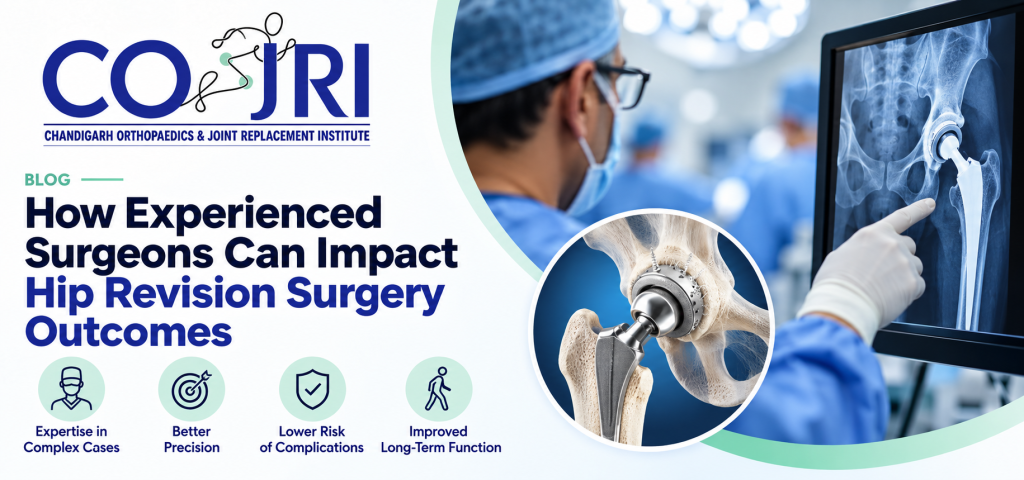
Hip replacement surgery can successfully restore mobility and improve quality of life, but there are circumstances that require additional revision surgery or may lead to difficulty after a hip replacement. Hip revision surgery is a complex surgery that may require addressing issues with the previous implant, surrounding bones, and/or joints. When selecting a surgeon to address your issue and create a treatment plan, experience is critical. Why Experience is Crucial in Hip Revision Surgery Hip revision surgeries require more preparation and skill than primary hip replacement surgeries. When an implant exists, a surgeon must prepare for and address scar tissue, bone loss, loosening or infected implants, unstable joints, and/or other complications. A senior Revision hip replacement specialist Chandigarh who has more experience will be able to perform a thorough assessment of a patient. He or she will conduct an assessment that includes the patient’s history, physical exam, imaging, and any other assessments that may be necessary. Senior surgeons have the assessment preparation skills in order to develop a plan for addressing the issues that patients face. The experience of surgeons in addressing complex hip issues aids in planning surgical interventions. Treatment must be tailored to the patient’s condition including age, activity level, bone quality, previous surgery, condition of implants and overall health. Success Rate of Hip Revision Surgery and Related Considerations The Hip revision surgery success rate is of interest to many patients considering the procedure. However, success rates vary considerably from individual to individual. Factors such as the condition of the bone, rehabilitation as well as the presence of infection and the patients’ overall health and the type and reasons for revision will affect the length of time and outcome of the surgery. Patients must therefore go beyond a single digit success rate and discuss their surgery and particular circumstances with the surgeons. An orthopedic surgeon can provide explanation of the surgery and range of outcomes as well as the associated pros and cons and length of time for recovery. The Advancements of Robotic Hip Surgery In the field of orthopedic surgery, certain specialized hip surgery procedures have been enhanced by the inclusion of robotic technology. Robotic hip surgery Tricity aids in digital implant positioning and surgical planning in some cases. It is important to note that although the field of surgery has been augmented by the introduction of robotic technology, its fragile nature still requires the input of senior surgeons in an appropriate case. Selecting the Best Revision Hip Specialist When looking for the best revision hip specialist Chandigarh, examine their experience with complicated revision cases, the extent of technology used and their post-operative rehabilitation. The best approach to surgery is a revised implant that will help patients during surgery for consultation as well as the recovery process. Frequently Asked Questions (FAQs) It is the surgical replacement, repair, or addressing complications that arose following a previous hip replacement surgery. Success rate can be influenced by the cause of revision, bone quality, state of the implant, infection, overall health, complexity of the surgical procedure, and the level of rehabilitation. Robotic assistance may be useful in some cases, but opportunities to use robotic assistance vary depending on the patient’s condition, previous surgery, and planned procedure. Find a specialist with appropriate experience in complex hip revision surgery, customized planning for surgery, and advanced surgical and post-operative facilities. Recovery is complex and dependent on the state of the patient, surgery, rehabilitation and the reason for revision. Your orthopedic surgeon provides the best time estimate. NAP: COJRI Contact Information Name: Chandigarh Orthopaedics & Joint Replacement Institute (COJRI)Primary Centre: Max Hospital, Phase 6, SAS Nagar, Mohali, PunjabChandigarh Clinic: Singla Clinics, House No. 3, Sector 19A, Chandigarh, 160019Panchkula Clinic: House No. 222, Sector 4, Panchkula, Haryana 134112Dr. Sandeep Gupta: +91 98159 33514Dr. Jatinder Singla: +91 84272 70319Email: info@cojri.com Connect With COJRI Connect with COJRI for more education on hip and knee replacements, robotic joint surgeries and other specialties in orthopaedic care. Book your appointment for Hip Revision in Chandigarh Persistent problems of pain, instability or loss of hip mobility following earlier hip replacement surgery may signal the need for a fresh evaluation, and may provide important insight to your next surgical step. Our team of orthopedic surgeons is here to provide you with a responsive, advanced evaluation for revision surgery for your hip. Whether your concern is Robotic hip surgery Tricity, revision hip replacement surgery in Chandigarh, or seeking Hip revision surgery success rate, we are here to provide you with the information you need to make your next step with confidence. Call now to schedule your evaluation for hip revision surgery in Chandigarh.
What Is the Robotic Knee Replacement Cost in Chandigarh? Factors That Affect Pricing
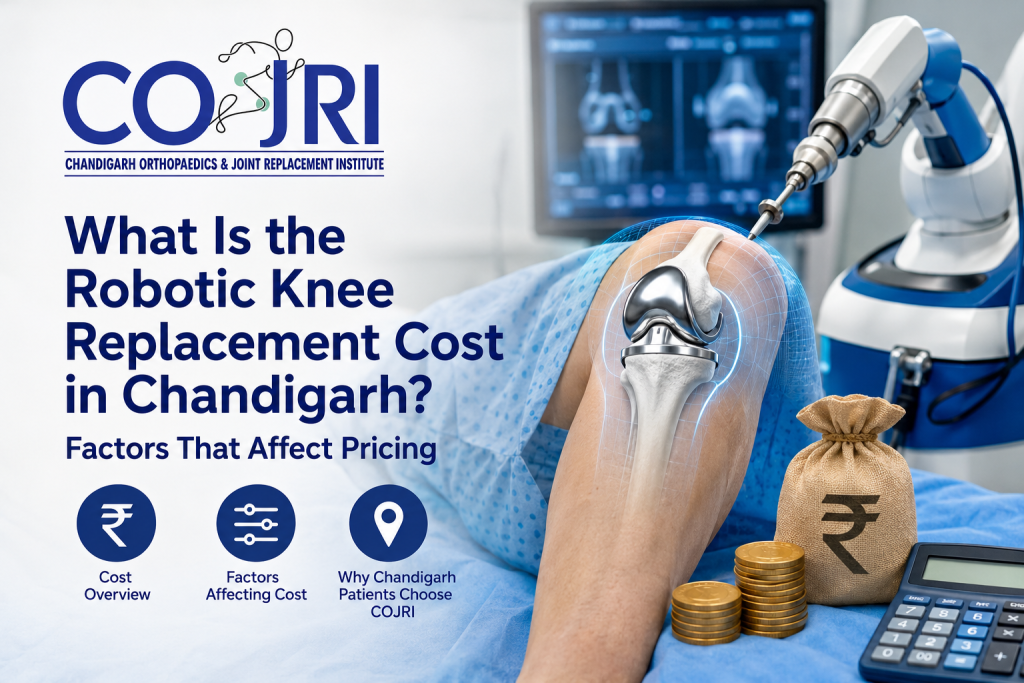
If persistent knee pain, stiffness, deformity, or arthritis is affecting your ability to walk and perform everyday activities, your orthopaedic surgeon may recommend knee replacement surgery. With advances in surgical technology, robotic-assisted knee replacement has become an option for patients seeking highly precise implant positioning and personalised surgical planning. So, what should you expect when researching the robotic knee replacement cost Chandigarh? Based on currently published Chandigarh and Tricity estimates, robotic-assisted knee replacement can commonly fall in the range of ₹2.5 lakh to ₹5.5 lakh per knee, although some hospitals quote higher or lower figures depending on the implant, hospital, technology, surgeon, medical requirements, and package inclusions. These figures are indicative rather than a fixed COJRI price. At COJRI, robotic knee surgery uses advanced Mako™ technology to create a personalised 3D model for surgical planning, while the surgeon remains in control throughout the procedure. Why Does Robotic Knee Replacement Cost More Than Conventional Surgery? Robotic-assisted replacement involves additional technology, planning and specialised equipment. The robot does not independently perform the operation. Instead, it assists the surgeon with the planned bone preparation and implant positioning. The overall expense may therefore include: The exact combination differs between hospitals and individual patients. 7 Factors That Affect Robotic Knee Replacement Cost in Chandigarh 1. Type and Quality of Implant The implant is one of the most important components of the total bill. Different implant designs, materials, manufacturers and bearing surfaces can have different prices. Your surgeon should recommend an implant according to your age, bone quality, activity level, anatomy and clinical requirements—not simply according to price. 2. Robotic Technology Used Robotic-assisted surgery requires specialised technology and trained surgical teams. At COJRI, robotic knee surgery uses the Mako™ robotic system and personalised 3D planning to assist with implant alignment and bone preparation. The technology component can increase the upfront cost compared with conventional knee replacement. 3. Hospital and Infrastructure Charges Hospital category, operating-room facilities, room type, nursing services and length of stay can influence the final bill. A premium hospital package may cost more than a standard package, but patients should compare what is included, rather than comparing only the headline price. 4. Surgeon’s Experience and Expertise Joint replacement is not simply a technology-driven procedure. Robotic systems are tools that assist the operating surgeon, so surgical experience, patient selection and clinical judgement remain important. Recent discussion around robotic joint replacement also highlights that greater technological precision does not replace the surgeon’s decision-making or comprehensive perioperative care. 5. Pre-Surgery Investigations Depending on your medical history and the surgical plan, you may need blood tests, X-rays, ECG, medical clearance and other investigations. CT-based planning may also be required for certain robotic workflows. These investigations may be billed separately or incorporated into a package. 6. Your Overall Health Patients with conditions requiring additional medical optimisation may need extra consultations, investigations or monitoring before and after surgery. Similarly, complex deformities, previous operations or unusual anatomy can make the surgical plan more involved. 7. Rehabilitation and Follow-Up Surgery is only one part of recovery. Physiotherapy, exercises, follow-up visits and rehabilitation help restore strength, mobility and confidence. At COJRI, recovery planning is positioned as part of the overall joint replacement journey rather than treating the operation as an isolated event. What Should a Knee Replacement Package Include? Before choosing a hospital based on price, ask for a written estimate. Ideally, it should clearly identify: This makes it easier to compare two quotations fairly. Is Robotic Knee Replacement Worth the Additional Cost? There is no single answer for every patient. Robotic assistance can provide detailed three-dimensional planning and help the surgeon achieve precise implant positioning. COJRI describes its robotic knee approach as using personalised 3D modelling, haptic guidance and precision-focused bone preparation. However, the decision should be based on your individual condition rather than the technology alone. Your surgeon should evaluate factors such as arthritis severity, deformity, activity requirements, bone quality, medical history and whether joint replacement is actually necessary. The goal should always be the right procedure for the right patient, rather than choosing the most expensive technology. Robotic Knee Replacement vs Conventional Knee Replacement Both conventional and robotic-assisted knee replacement aim to relieve pain and restore function. The main difference is the method of planning and surgical assistance. With conventional replacement, the surgeon uses established instruments and techniques to prepare the bone and position the implant. With robotic-assisted surgery, digital planning and robotic guidance can provide additional precision during selected stages of the operation. Importantly, the robot does not replace the surgeon. At COJRI, the surgeon remains in full control of the procedure while the robotic system provides guidance and haptic feedback. What About Minimally Invasive Hip Replacement in Chandigarh? Patients researching advanced joint replacement often search for Minimally invasive hip replacement Chandigarh alongside robotic knee surgery. Hip replacement is a different procedure from knee replacement, but the underlying objective is similar: reduce pain, restore movement and help the patient return to daily activities. At COJRI, primary hip replacement is offered for patients with significant hip joint damage or arthritis. The suitability of surgery depends on symptoms, functional limitations, imaging findings, overall health and response to non-surgical treatment. COJRI also offers robotic-guided hip replacement as part of its advanced joint replacement services. If you are comparing hip replacement options, don’t assume that a minimally invasive approach is automatically appropriate for everyone. Your surgeon should determine which surgical technique is safest and most suitable for your anatomy and condition. How Can You Reduce Unexpected Knee Replacement Expenses? You may not be able to reduce medically necessary costs, but you can improve cost transparency. Ask these questions before surgery: A transparent estimate can be more valuable than simply choosing the lowest advertised price. Who May Need Robotic Knee Replacement? Knee replacement may be considered when severe arthritis or joint damage causes persistent pain and reduced mobility despite appropriate non-surgical treatment. COJRI notes common indications for robotic knee surgery such as severe osteoarthritis, knee deformity and symptoms that have not responded adequately
Your Complete Guide to Finding the Best Robotic Hip Replacement Surgeon in Chandigarh
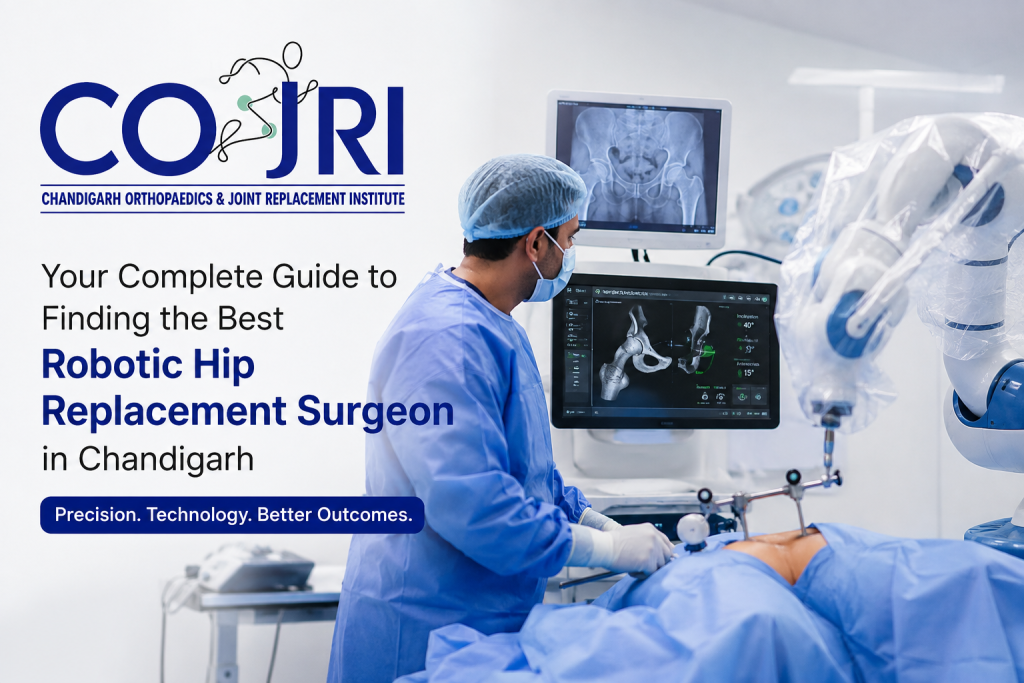
Choosing the best robotic hip replacement surgeon in Chandigarh is no easy feat. As hip replacement surgery continues to become more advanced, patient-centered robotic-assisted surgery is no exception. Knowing the additional services and access to technology your prospective surgeon provides is vital. Other services that differentiate your surgeon are: extensive experience in hip replacement, detailed assessment, appropriate implant selection, revision expertise, and a rehabilitation program. If you are looking for the best robotic hip replacement surgeon in Chandigarh, this guide provides the important information to help you make that choice. Importance of the Right Hip Replacement Surgeon While advanced hip replacement surgery is no exception and aids in improving your mobility and significantly reducing pain caused by a hip damaged by a joint, arthritic, avascular necrosis, or other severely damaged hip joints, it is important to know; Replacing a hip joint is more complicated than it seems. Your surgeon has to analyze your anatomy, your medical and activity history and long-term needs to adequately assess your bone quality and determine the best treatment. At Chandigarh Orthopaedics & Joint Replacement Institute (COJRI), their highly specialized Joint Replacement Institute expertise has combined the latest innovations in Joint Replacement technology with advanced recovery support services to bring you the latest in hip surgery. COJRI offers primary Joint Replacement, robotic and revision hip replacement, as well as complex joint reconstruction. What is Robotic Hip Replacement? Robotic-assisted hip replacement surgery allows the surgeon to thoroughly plan the procedure using advanced technology, making the surgery less invasive and more precise. A personalized surgical plan allows for evaluation of patient anatomy for optimal implant placement. The robot does not do the surgery alone; the surgeon is still responsible for all clinical and surgical actions. The aim of robotic technology is to help surgeons with additional resources to allow for better planning and more precise surgical execution. So, when reviewing hip replacement surgeons in Chandigarh, do not only look to see if a hospital has robotic facilities. Also, consider the surgeon’s experience in both hip replacement and robotic-assisted surgery. 7 Things to Look for in a Robotic Hip Replacement Surgeon in Chandigarh 1. Extensive Hip Replacement Experience Pick a surgeon who focuses on hip and joint replacement procedures, and do not just go with a surgeon based on the availability of robotic-assisted technology. Consider these questions: 2. Expertise in Robotic-Assisted Surgery This focus on experience is important when there are unique surgical challenges, like the patient has had surgery in the past, has loss of bone, has implants, or has had surgery previously. A good consultation should answer the following: Robotic-assisted hip replacement is presented at COJRI as a focused precision technique for optimal placement of the implant with an aim for prosthetic longevity and functional longevity of the joint. 3. The Ability to Address Failed Hip Replacement Cases Not all patients requesting hip surgery are first-time hip surgery patients. Hip replacement surgery may be complicated by a loosening of the implant, wear and tear, infection, dislocation of the implant, fractures of the implant, or mechanical failure. Such cases may require revision surgery. If you are looking for failed hip replacement Chandigarh, you should seek a centre with the specialty of revision joint replacement as opposed to clinics that perform primary hip joint replacement surgery. COJRI performs revision hip replacement surgery for failed implants and provides management options for loosening, dislocation, wear, fractures, and infection of implants. 4. Thorough Assessment Pre-Operatively A precise diagnosis is imperative to the formation of an effective treatment plan. Your surgeon will evaluate: Understanding the reasons for the failure of the original hip replacement surgery is critical for all revision cases before any other surgery is considered. 5. Access to Newer Implants and Advanced Reconstruction Techniques Primary hip replacements and revision hip replacements are two different surgeries. Revision hip replacement may be done in the presence of bone deficiency, as well as the presence of scar tissue and altered anatomy. In such cases, advanced implants and/or specialized reconstruction techniques may be required. According to COJRI, their service for revision of joint replacement encompasses complex reconstructions, specialized implants, bone grafting, and advanced 3D printing technologies for major bone deficiencies. 6. A Well-Thought-Out Recovery and Rehabilitation Regimen Successful hip replacement surgery is dependent on much more than just the surgery. The recovery process includes a great deal of walking practice, strengthening exercises, physical therapy, and the gradual return to all normal activities. Your surgeon should tell you what to expect in terms of recovery and what activities must be avoided. According to the primary hip replacement information from COJRI, patients progress from the initial supported walking to greater freedom of movement, with complete recovery usually taking several months. Revision hip replacement may also include the complexities of reconstruction, loss of bone, formation of scar tissue, and thus may require a lengthy recovery with many restrictions. 7. Convenient Follow-Up and Multidisciplinary Care Your relationship with the surgical team continues after the operation. Think about the following factors when considering a surgeon: Helpful and accessible follow-up appointments reduce the stress of the recovery process for patients and their families. When Should You Consider a Hip Replacement? Replacement of the hip joint may be necessary after the hip joint has become painful and/or stiff, leading to the restriction of the performance of usual daily activities, and has become unresponsive to other non-invasive treatments. Signs may include the following: Not every hip joint that is painful requires hip joint replacement surgery. It is important to consult an orthopaedic surgeon to evaluate the hip joint and to provide other treatment options, both invasive and non-invasive. What If Your Previous Hip Replacement Has Failed? Chronic pain and/or restricted mobility that is a result of a failed replacement is not always permanent. A hip joint replacement may be revised if the original implant must be removed and/or revised due to the following reasons: The reason for the revision dictates the course of treatment. If you’re searching for Failed hip replacement Chandigarh,
Revision Total Knee Replacement in Mohali: Common Reasons for Knee Implant Failure
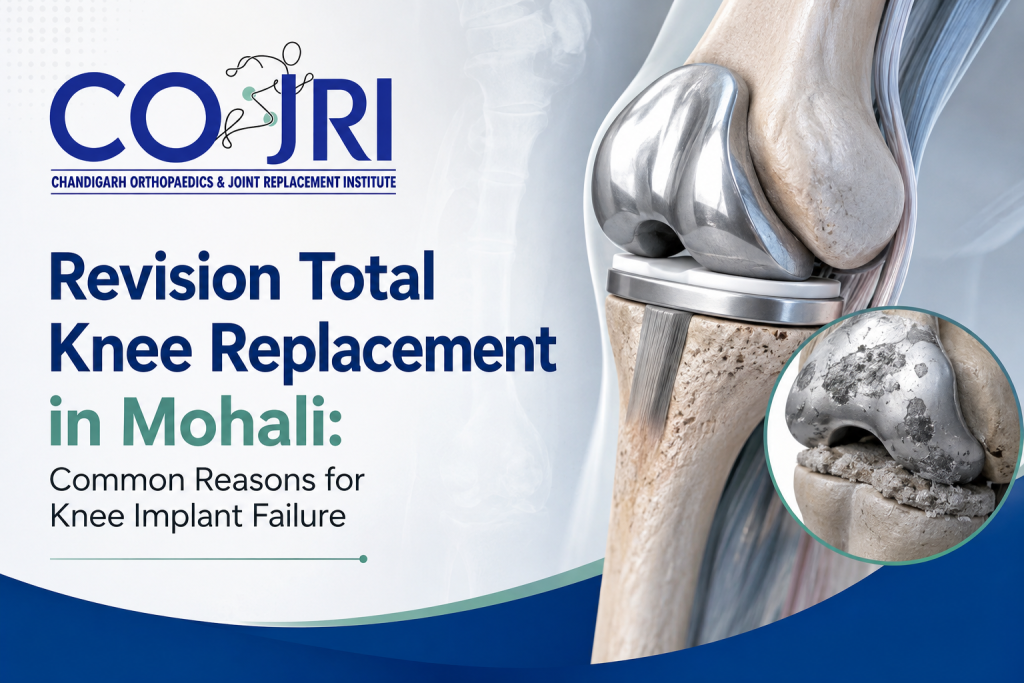
Total knee replacement can be considered by many as a revolutionary treatment as it relieves those who have suffered from chronic knee pain due to arthritis or damaging of the joints. While it is one of the many effective solutions at restoring mobility and significantly improving the quality of life, knee implants are not completely immune to the problems of the body and the passage of time. There are many cases where the patient has to undergo another surgery to either replace or repair the knee implant. This procedure has been termed as Revision total knee Replacement Mohali and involves restoring the lost function and stability of the knee when the previously replaced knee has failed to serve its purpose. For existing patients and especially for the future patients, it is extremely important to understand the reasons behind the failure of the knee implant. Patients presenting the early signs of knee implant failure and possibly the need to undergo revision surgery are more likely to result in a surgical solution of greater success. What Is Revision Knee Replacement? Revision knee replacement is the term given for the procedure that takes place when a patient has knee surgery and a portion or all of the previously implanted knee joint is replaced with another implant. Because the original knee joint replacement is often complicated by issues of damaged bone and components of the previously implanted knee joint that have substantially thinned, revision knee surgery is often more complex than the primary knee replacement. Also known as **Revision total knee replacement Mohali**, this complex surgery is often preceded by an extensive assessment involving imaging studies, a complete physical exam, and laboratory testing to determine the rationale for implant failure. Normal Causes of Knee Implant Failure 1. Time Related Implant Wear Nowaday’s knee implants do indeed advanced technology. Unfortunately, these implants still don’t have the technology to become permanent. Modern day implants have plastic components and after years of wear and tear, these surfaces can deteriorate joints and become painful, unstable, and even nonfunctional and require a revision surgery. 2. Implant Loosening One of the common causes of implant failure is loosening. As time goes on the bonding of the implant and the surrounding bone can worsen. This is caused by the degeneration of the bone and even more, the continuous stress of the joint. This results in a painful joint especially while attempting to stand or walk. 3. Infection of the Implant Infections can happen after the initial surgery or even years after. Infection of the surrounding tissues not only causes damage but also results in a loosening artificial joint. This can be a significant pain if left untreated. and also results in a fever. The infection can result in a painful knee that is warm and even red. 4. Knee Failure After knee surgery, replacement of the knee also replaces the ligaments. Failure of the ligaments can result in the failure of the knee. This will worsen the pain as it will increase the likelihood of a fall. 5. Misalignment of the Implant To ensure smooth operation of the joint, precise positioning of the implants is a must. For easy movement, evenly applied pressure to the artificial joint is required. Even wear and discomfort can result in the Misalignment of the joint. This will require a Revision total knee replacement Mohali for knee functionality. 6. Fractures Around the Implant Weakened bones may result in fractures around the artificial knee. Falls or accidents can lead to similar outcomes. Additionally, these fractures can compromise the stability of the implant and usually require extensive revision procedures to repair the bone and the joint replacement. 7. Joint Stiffness Excessive scar tissue can limit movement and cause stiffness in the knee. This can develop in a subset of patients as a result of a knee replacement. This stiffness can be impeded using conservative treatments. If these treatments fail to improve the movement of the knee, the stiffness will be improved with revision surgery. Serious Symptoms That Require Immediate Attention Medical attention is required for the following symptoms: – Pain in the knee that doesn’t improve or is worsening – Persistent swelling – Difficulty in walking – Unstable knee and breaking of the knee – Stiffness and a decreased ability to move – Knee replacement surgery sounds strange and is alarming – Infection and fever Problems are usually easier to treat the earlier the diagnosis is received. Reducing the Risk of Knee Replacement Surgery Failure Not all complications of the surgery can be controlled. However, the reduction of the surgery complications can be attained with compliance of the patient to the surgery instructions. The patient should also avoid all high-impact activities, keep their weight in a healthy range, and have all the physiotherapy and subsequent appointments. The choice of a skilled orthopedic surgeon also significantly improves surgery and implant longevity outcomes. Connect with us Facebook: https://www.facebook.com/people/COJRI/61583580358016/Instagram: https://www.instagram.com/cojri_chd?igsh=MTA4OWJicGI5c3dqYQ%3D%3DGoogle Business Profile: https://business.google.com/n/11377511727566362128/profile?authuser=1&fid=11220940751283944887 Conclusion Once a knee replacement no longer offers comfort and function, it is imperative to seek medical attention. Patients should understand the causes of knee replacement implant failure to identify the signs and seek medical help early to avoid further complications. In revision cases, a surgeon’s skills play a major role in the outcome of the procedure. Patients who are looking for Revision total knee replacement Mohali need to find a skilled Revision knee surgery specialist Chandigarh who can address complex cases of multiple knee revisions. **Revision total knee replacement Mohali** has the potential to improve the quality of life for patients by relieving pain and restoring the function of the knee when coupled with the right evaluation and the latest advances in operative procedures and adjunctive therapy. Having the best team of medical professionals facilitates the best results in patients who require Revision total knee replacement Mohali and offers the potential for a faster and more effective recovery.
Elevating Orthopedic Excellence: Robotic-Assisted Knee Arthroplasty Training at Smith+Nephew Academy
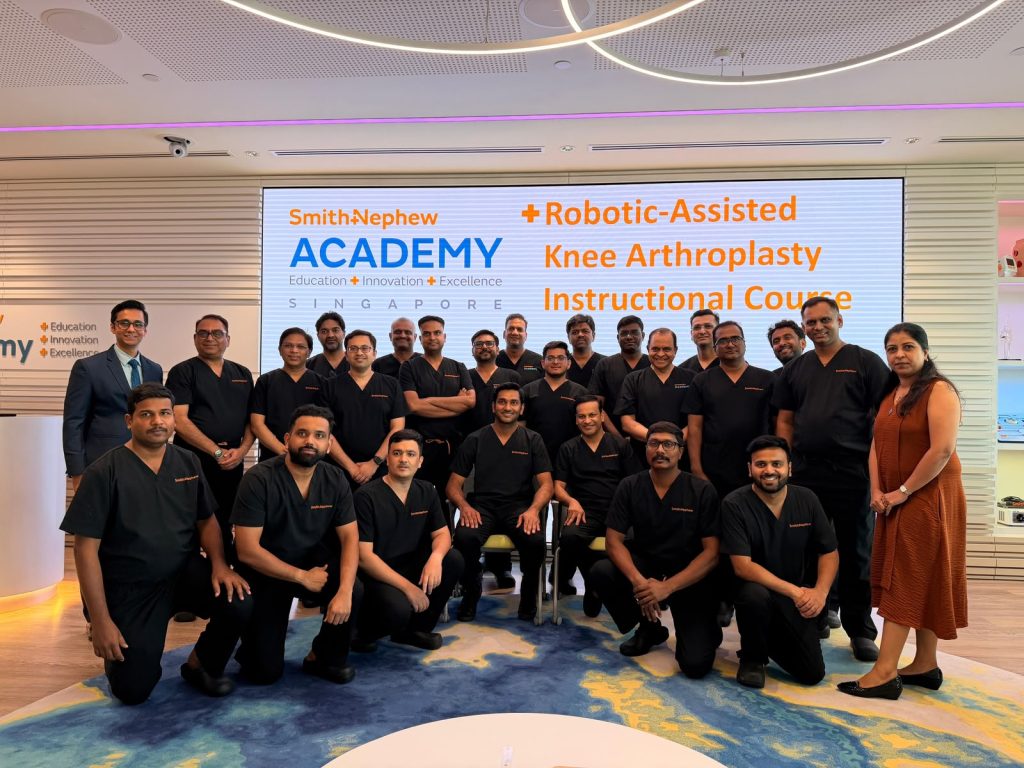
At COJRI, patient benefit remains at the heart of every skill upgrade. Recently, our team had the privilege of attending an immersive training at Smith+Nephew Academy, Singapore, focused on Robotic-Assisted Knee Arthroplasty. This program reinforced why precision matters in modern knee replacement surgery and how innovation can transform patient outcomes. Why Precision Matters in Knee Replacement Robotic-assisted technology is redefining surgical excellence. Every millimeter of implant placement and alignment directly impacts patient outcomes. During the training, we explored: Gap planning algorithms for balanced joint movement Real-time kinematic alignment for natural knee function Digital implant positioning tools that enhance accuracy Patient-Centered Benefits The ultimate goal of every upgrade in surgical technique is to improve patient lives. Robotic-assisted knee arthroplasty offers: ✅ Better implant longevity ✅ Improved functional outcomes ✅ Faster, safer recovery By combining surgical expertise with cutting-edge robotics, we deliver outcomes that truly matter—mobility, comfort, and confidence. Learning, Sharing, Advancing This training was also an opportunity to collaborate with brilliant orthopedic colleagues from around the world. Together, we exchanged insights, refined techniques, and strengthened our commitment to innovation in patient care. Closing Note – Commitment to Patients Continuing education is not just about professional growth—it’s about putting patients first. With every skill upgrade, we reaffirm our mission: to deliver excellence in orthopedic care, powered by innovation and compassion.
Robotic Hip Surgery in Tricity: Achieve Faster Recovery with Advanced Technology
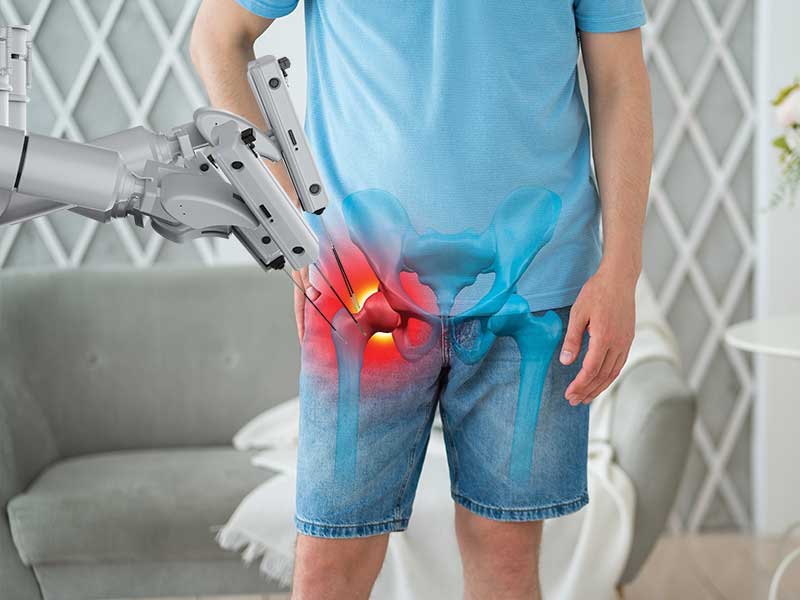
Hip pain is pretty debilitating, so much so that it shrinks the world you live in. Climbing stairs is a daunting task, simple walks become chores, and sleeping becomes a luxury. Advanced hip arthritis and joint damage to the joints, in the past only had one solution. Conventional hip replacement presented one more option. Though efficient in pain management, the recovery period was lengthy and uncertain. Thankfully, the game has changed. Finally, Robotic Hip Surgery in Tricity area (Chandigarh, Mohali and Panchkula), there is the introduction of robotic-assisted hip surgeries — paving a quicker path to a more precise and predictable post-operative period for those suffering from hip pain. At COJRI, you won’t find the altered tagline of the decade but the actual merger of decades of surgical precision and expertise brought to us by the robotic model of hip surgery by our specialists in joint replacements, Dr. Jatinder Singla and Dr. Sandeep Gupta. What is Robotic Hip Surgery? A common misjudgment that people have about robotic hip surgeries is that a robot performs the surgery. In fact, the control remains in the hands of the surgeon. What does change, however, is the precision the surgeon is afforded. Before the initiation of surgery, a 3D model of a patient’s hip is constructed for the surgeon using a fusion of imaging and patient-specific data. This model aids the surgeon in assisting not only with the size of the hip implant, but also the position and alignment of the implant, and all of this is done within millimeters. While the surgery is being performed, the robotic arm acts as a highly precise and accurate guiding tool to assist the surgeon in ensuring that the plan is being executed as designed and allows the robotic arm to adapt and conform to the patient’s unique anatomy of bone and soft tissues. Better fitting, better positioned, better functioning implants lead to a smoother recovery. Which is why robotic precision is helping to speed up the recovery time. Why Robotic Precision Is Speeding Recovery Time 1. Less Tissue Damage: Robotic precision means smaller, more accurate, and less invasive procedures. With less tissue damage, recovery time is greatly reduced. 2. Better Implant Fit: Every individual is unique, and so is the shape of their hip. With robotic mapping, the likelihood of a bad fit of the implant, uneven leg length, and excessive wear on the implant greatly decreases. 3. Less Bleeding, Less Pain Because of the lesser invasiveness of the procedure, patients experience less bleeding and postoperative pain. 4. Less Time in the Hospital Because of the efficiency of robotic procedures, patients can begin the process of walking with support within 24 hours of surgery and can go home from the hospital in a fraction of the time of traditional surgery. 5. Improved Stability of Implants: When implants are placed within the joint with robotic precision, there is a reduced likelihood of uneven tension and therefore, a reduced likelihood of needing to replace the implant in the future. Is Robotic Surgery Right for You? Generally, robotic hip surgery is right for people with: Severe pain from hip osteoarthritis that has not responded to medication or physical therapy Avascular necrosis of the femoral head Hip fractures requiring a joint replacement. This applies to people of all ages, including the elderly. Fractures of the pelvic and acetabular that have necessitated reconstructive surgery Failed or worn-out prior hip implants that require revision Robotic-assisted surgery may also be appropriate for you after a thorough clinical evaluation that includes imaging studies and assessment of bone quality and general health. What you should know about Recovery There are two critical aspects of recovery: the surgery and the rehabilitation that occurs after it. An example of a standard recovery timeline after robotic hip replacement surgery is as follows: Day 0-1: First attempts to stand and walk using a walker Day 1-3: Mobility exercises. Pain management. Planning for discharge. Weeks 2-6: Continued therapy to strengthen and improve mobility. Walking aids are used less. Months 2-3: Most normal activities resumed. Therapy continues to improve strength and mobility. Due to age and skeletal health, everyone has a different recovery timeline. Successful recovery also depends on therapy compliance. That’s why COJRI has structured, patient-centered rehabilitation support along with surgery. The COJRI Advantage The Tricity residents have an advantage with the combined expertise of Dr. Sandeep Gupta and Dr. Jatinder Singla, with over 34,000 successful surgeries. Why do so many people from Chandigarh, Mohali, and Panchkula choose COJRI? Robotic, state-of-the-art technology for primary and Revision hip replacement Chandigarh. Focus and care on preserving the joints and delaying full joint replacement. Specialized care for difficult injuries and fractures of the pelvis and hips in the elderly. A structured recovery plan that incorporates post-rehabilitation therapy. Easily accessible clinics in all three Tricity locations. If you haven’t been able to live your life to the fullest due to hip pain, the first step towards recovery is to schedule a consultation with COJRI. Frequently Asked Questions (FAQ) 1. Is robotic hip surgery safe? Yes. The robotic system does not perform or control any part of the surgery. Instead, the surgeon designs and controls the procedure, and the system provides supplemental support. It has a long successful history of application in joint replacement. 2. How is robotic hip surgery different from traditional hip replacement? In traditional hip replacement, the surgeon’s skill and manual work are the primary components of the procedure. Robotic hip replacement surgery is assisted by the construction of a three-dimensional (3D) plan before the surgery, as well as guidance during the surgery. 3. How long does the surgery take? The duration of most robotic-assisted hip replacement surgeries is between one to two hours. 4. How soon can I walk after robotic hip replacement? Most patients can walk, with assistance, within 24 hours of the surgery. However, this is dependent on factors that are unique to the individual. 5. Is robotic hip surgery painful? Like any other surgery, discomfort is likely
What to Expect from the Best Robotic Knee Replacement Hospital in Chandigarh
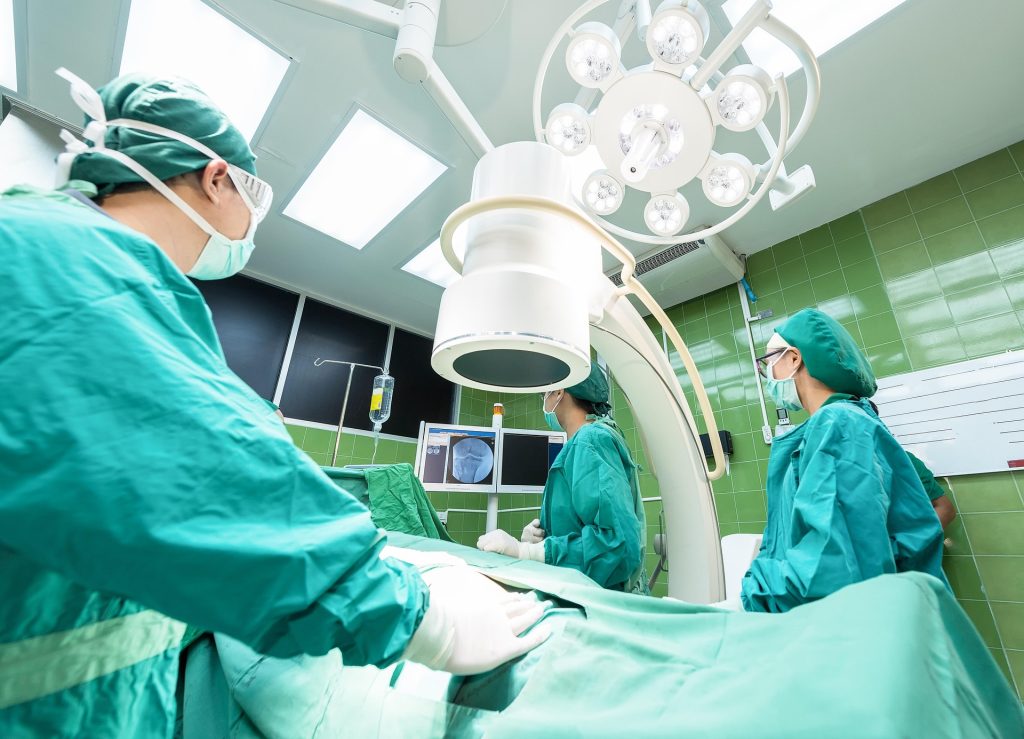
Knee pain can slowly take away your ability to do everything. It can even make standing, walking, and climbing stairs painful and uncomfortable. When the pain does not go away from medications, physiotherapy, and other forms of treatment, there is hope. Choosing the best robotic knee replacement hospital in Chandigarh is one of the most important decisions for achieving excellent surgical outcomes and a faster recovery. At COJRI (Chandigarh Orthopaedics & Joint Replacement Institute), patients get state-of-the-art robotic-assisted knee replacement with experienced surgeons, personalized plans, and all-inclusive rehabilitation. The Institute combines advanced robotic technology with the care of the patients to provide accurate and long term results. Thorough Assessment Before Surgery One of the first things you should expect from Chandigarh robotic knee replacement hospitals is that they avoid recommending surgery right away. Rather, they will provide you with a thorough assessment. Assessment includes but is not limited to: Taking your complete medical history Performing a Physical Exam Digital X-Rays and Advanced Imaging Assess Knee Alignment Review Treatment History Discuss your Mobility Goals and Lifestyle Knee Replacement surgery is not the only option for every patient and in appropriate cases, preservation of the knee joint can be done as an alternative to surgery. Robotic Surgery is the Future Access to robotic-assisted surgery is one of the best advantages of going to a robotic knee replacement hospital. Today’s robotic systems assist surgeons to: Provide a customized three-dimensional knee model Assist in implant location prior to the procedure Help in the alignment of the implant Aid in the preservation of healthy bone and tissue Improve accuracy of the procedure It is imperative to understand robotic systems do not perform the procedure by themselves. The system assist surgeons by providing guidance and improved accuracy. The surgeon control the entire procedure. Highly Experienced Joint Replacement SurgeonsTechnology by itself is not a success factor. The top hospitals incorporating robotic technology have very experienced orthopaedic surgeons with high volumes of knee replacement surgeries. Located in the Canadian Orthopaedic and Joint Reconstruction Institute, Dr. Sandeep Gupta and Dr. Jatinder Singla are leading, very experienced joint replacement robotic surgeons. They focus on hip and knee replacements, revisions, and orthopaedic care. Personalized Surgical Planning Every knee is different. Robotic-assisted surgery allows customization of the procedure with respect to: Anatomy of the bone Alignment of the knee Balance of the ligaments Size of the implant Range of motion Enhanced Safety and Precision Robotic guidance assists in the preparation of bone for the surgery and placement of the implant. Some potential advantages are: Improved placement of the implant Greater joint stability and implant longevity Decreased risk of alignment or positioning errors The advantages listed above contribute to improved satisfaction and outcomes for the patient. Faster Recovery and Rehabilitation Recovery begins at the end of the procedure. Patients can typically expect the following: Early mobilization: 24-48 hours after surgery Directed physiotherapy Pain management protocols Progressive walking exercises Rehabilitation Patients often return to conducting light activities of daily living within weeks of their surgery; however, complete recovery will depend on the patient’s individual health and the progress the patient makes during rehabilitation. 7. Comprehensive Patient Education The top robotic knee replacement hospitals educate their patients both pre- and post-operatively. Patients are provided instruction on: How to prepare for surgery The details of the hospital stay Pain management Exercises to perform at home Dietary instructions Follow up appointments Long term implant maintenance Educating patients empowers them to be more confident during the recovery process. 8. Long Term Follow Up Care The best hospitals are committed to caring for patients after discharge by providing Follow up appointments Monitoring progress Performing routine x-rays Providing rehabilitation Offering activity guidance This continued care extends the success of knee replacement surgery. Why Choose COJRI? COJRI has combined cutting edge robotic-assisted joint replacement with dedicated orthopedic professionals to improve patient quality of life by restoring patient mobility. Some of the offerings include: Robotic-assistance for knee replacement Tailored treatment plans Joint replacement surgical expertise Advanced diagnostics All-inclusive rehabilitation Patient care Primary and revision joint replacement expertise Frequently Asked Questions (FAQs) Is robotic knee replacement better than traditional knee replacement? In comparison to traditional knee replacement, robotic-assisted surgery offers more precise planning and placement of the implant which may improve both the alignment of the implant and the overall function of the joint. The surgeon maintains full control of the procedure. How long is robotic knee replacement surgery? It depends on multiple factors, including the complexity of the surgery and the individual patient’s condition. Your surgeon will be able to provide further detail based on your situation at your consultation. When will I be able to walk after my knee replacement? Many patients are able to begin walking with assistance after 1-2 days. This is generally part of their rehab process. What is the recovery time after robotic knee replacement surgery? Patients generally are able to resume most light everyday activities within 4-6 weeks of surgery. However, many factors influence the total recovery time including the rehab process and the patient’s overall wellness. Do robots perform knee replacement surgery? Robots do not perform the surgery. Precision robotic systems provide feedback in real time to assist orthopedic surgeons as they perform the surgery. How long do knee replacement implants last? On average, modern knee replacement implants last greater than 15 years. Post-surgery activity levels, body weight, the type of implant, and overall health can impact how long an implant lasts. COJRI (Chandigarh Orthopaedics & Joint Replacement Institute) is located in Mohali and is the major center for orthopedic services in the Punjab region of India. The COJRI clinic in Chandigarh is located in the Sector 19A, while the Panchkula clinic can be found in Sector 4. You can find out more about the institute by visiting their official website or reaching out to them via email. Their contact information is available on the website and in the following sections. Contact COJRI (NAP) Name: Chandigarh Orthopaedics & Joint Replacement Institute (COJRI) Website: https://cojri.com
The Complete Guide to Hip Replacement Loosening Treatment in Chandigarh
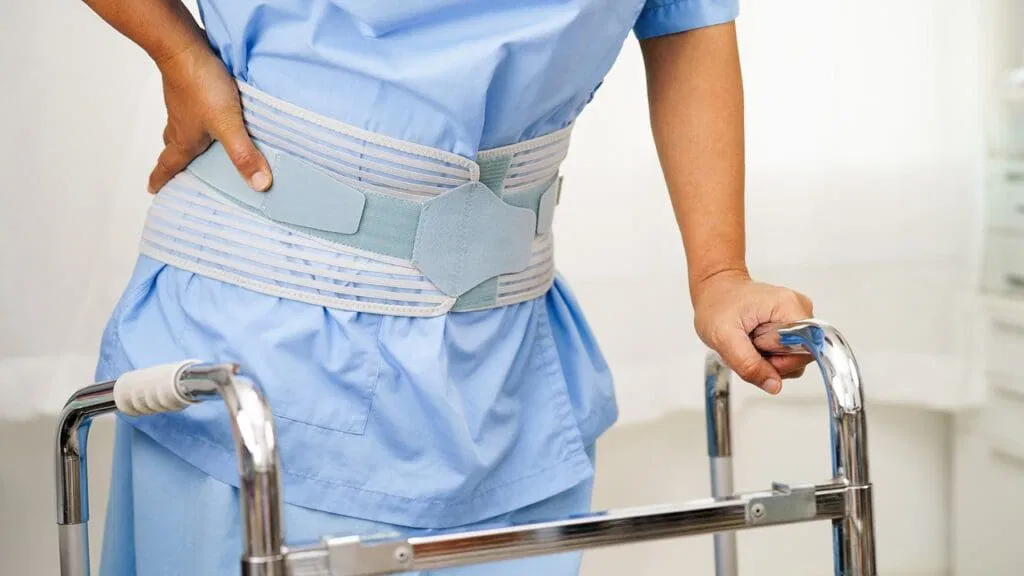
Does your hip implant click or feel unstable? If so, you are likely looking for the best Hip Replacement Loosening Treatment in Chandigarh. Unfortunately, implant loosening leads to many patients returning to the surgeon after years of successful hip replacement surgery. The good news is that implant loosening is highly treatable when identified in the early stages. This guide is designed to answer the most common patient questions by using the most common medical queries in a brief and concise format. What is hip implant loosening? A hip replacement consists of a synthetic ball and socket which becomes fixed to the natural bone by either a cement procedure or direct bone growth. Through the years the fixation can weaken for several reasons, including infection, wear, and stress. This is referred to as aseptic (noninfective) or septic (infectionrelated) loosening. Once the implant goes from a firm fixed state, it begins to move with the patient’s steps, which ultimately results in pain and decreased functional capability. Q2. What are the early warning signs I shouldn’t ignore? A. The following signs were noted: Patients can have pain returning to the groin, thigh, or buttocks after years of being painfree. Patients can also hear or feel a grinding, clicking or clunking noise. Patients can have a feeling of hip instability or giving way. Patients can have a worsening difficulty walking and climbing stairs. Patients can experience swelling and/or warmth around the hip. Patients can also have a worsening limp. You should seek the opinion of an Orthopaedic Surgeon if you are experiencing any of the above. Pain doesn’t have to be that severe. Q3. Why do hip implants loosen with time? A. Causes include, but are not limited to: Wearrelated bone loss (osteolysis): gradual surface wear leads to microscopic fragments which result in surrounding bone loss Infection: biofilms formed by bacteria loosens implant fixation Injury or fall: a fracture surrounding the implant may cause destabilization Poor fixation or positioning of the implant during surgery Osteoporosis: bone quality deteriorating leads to reduced grip of the implant Age of the implant: with most implants designed for longevity between 1525 years, with normal use for that length of time leads to increased wear Q4. What is the process of diagnosing loosening? A. Diagnosis of loosening is a combination of, but is not limited to: Clinical examination to assess pain, ranges of motion, and walking patterns Xrays, which are typically the first imaging step to evaluate migration of an implant, surrounding bone loss, and lucent lines surrounding the implant CT: to obtain bony topography to assist in planning revision surgery Blood tests to evaluate inflammation and to rule out infection (ESR, CRP) Joint aspiration for fluid sampling of the hip joint for infection evaluation The specialists of COJRI assess loosening using this combination of diagnostics. Q5. Does every loose hip implant need surgery? A. Not necessarily. Earlystage loosening which causes minor symptoms may not require immediate surgery. In such cases, regular followups are done with Xrays, and symptoms may be managed by physical therapy, activity modification, and pain management. However, significant bone loss with persistent pain and prosthesis instability will require surgery for revision hip replacement to avoid further deterioration of bones and to regain support and stability to the joint. Q6. What is revision hip replacement surgery? A. Revision hip replacement surgery is done to loose, worn out, or failed hip prosthesis. It involves removal of the failed hip implant, reconstruction of the lost bone (which may involve placement of bone grafts or special bone scaffolds), and insertion of hip implant components which will be stable and will accommodate the quality of bone that is remaining. Compared to a first time hip replacement surgery, this is a more difficult and complex surgery. Q7. Why choose robotic assisted treatment for hip loosening? A. Robotic assisted planning allows the surgeon to: Use preoperative imaging to delineate the exact area of bone loss and position of the implant Achieve alignment and fit of the implant with greater precision in even the most difficult revision cases Reduce guesswork during the operation, which may result in lower complication rates Achieve a faster and more predictable recovery At Chandigarh Orthopaedics & Joint Replacement Institute (COJRI), the robotic precision and the surgical experience of Dr. Sandeep Gupta and Dr. Jatinder Singla provide a combined advantage in the highly accurate planning of revision surgeries. Q8. What if the loosening happens because of an infection? A. Adaptation of a loosening situation caused by infection is different from mechanical loosening. Infectionrelated loosening may require: A singlestage revision (removal of the infected parts with placement of a new implant during the same surgery), or A twostage revision (removal of the implant, placement of an antibiotic spacer, treatment of the infection with an antibiotic regimen, and subsequent placement of a new implant when the infection is resolved) The decision to perform a single or two-stage surgery is based on the infectious organism, duration of the infection, and the patient’s condition. Q9. What is the expected recovery time after revision surgery of a loosened hip? A. The recovery time after revision surgery of a loosened hip is expected to be longer than recovery after a first hip replacement. After revision surgery, the patient should expect: A few days of hospital stay for the first mobilization Walking with an aid (walker/crutches) within days of surgery Strengthening physiotherapy for a duration of 6–12 weeks A gradual and further return to daily activities for 3–6 months The shortening of this timeframe is dependent on the rate of bone healing and the patient’s fitness level. The dedicated rehabilitation plan is key and has a significant impact on the outcome. Q10. Can hip implant loosening be prevented? A. No implant lasts forever. However, implant loosening can be delayed by: Maintaining a healthy weight to not put excess stress on joints Staying active with low impact exercises like walking or swimming Avoiding high impact exercises Regular followup Xrays, even when no pain is felt Promptly